
Deciding where to surf in Italy starts with distance: choose a home coast for short, low-cost trips, or a flight-based destination when you want a dependable season, a surf camp or a bigger trip.
This guide works through that decision in order, then covers camps, flying with a board and beach safety. Regional guides such as surf in toscana and surf in sardegna carry the local detail once you have picked a direction.
Deciding by distance, skill and support
The first decision is how much travel the trip can absorb. Everything else, from board handling to budget, follows from that choice, so settle it before comparing individual spots.
- Home coast, short notice. Choose an Italian coast when the trip is a weekend or a few free days. You can wait for a good forecast, leave the board bag at home if you rent, and avoid airline fees entirely.
- Nearby European destination. Choose a short flight when you want a coast with a more established surf culture and are happy to organise a board on the plane or hire one locally. The best surf spots portugal guide and the guide to surf in marocco sit in this group.
- Long-haul trip. Choose a far destination when you can plan around a named season and want warm water. These trips reward early planning, a camp or guide for the first days, and sound cover. Read the surf travel insurance guide before booking.
Skill level changes the answer as much as distance does. Beginners gain most from a place with organised lessons and a season of smaller, cleaner waves, which usually means a camp-based trip. Intermediate surfers can travel independently and use local rental shops, while experienced surfers can build a trip around a specific swell window.
Two further criteria separate otherwise similar options. The first is board logistics: bringing your own board adds a bag, a possible airline fee and the risk of damage, whereas renting removes all three at the price of an unfamiliar board. The second is supervision: a beach with lifeguards or a camp that chooses the break each day carries less decision-making than an unguarded beach where you judge the water yourself. Both points are developed in the sections below.
Forecasting skill also decides how independent you can be. Reading swell size, period and wind before you leave is what turns a home-coast day trip into a good session instead of a wasted drive, and the guide on how to read a surf forecast covers that skill in detail.
Home coasts in Italy
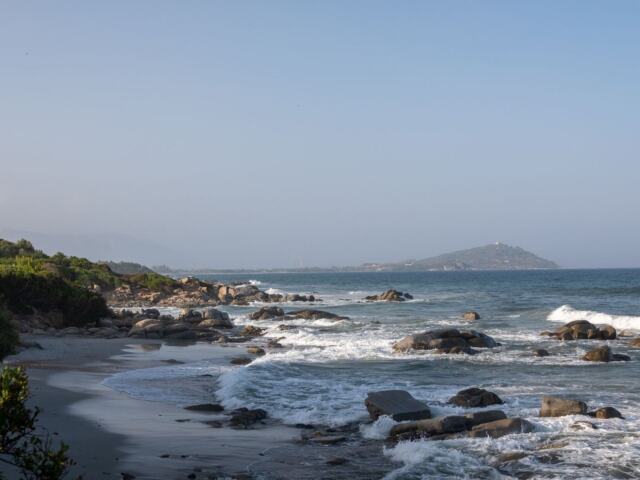
Italian coasts suit surfers who value flexibility over reliability. You can pick a day when conditions line up, travel by car or train, and return the same evening, which no overseas trip allows.
Tuscany and the mainland coast
The mainland coast is the natural starting point for most Italian surfers because it needs no flight and no board bag. It rewards people who watch forecasts closely and can move at short notice. The regional guide to surf in toscana is the place to compare individual beaches and access.
Sardinia
Sardinia suits a longer stay built around the island, with the flexibility to move between coasts depending on the day’s conditions. Because an island trip often involves a ferry or flight, the board-travel questions covered later also apply here. Beach-by-beach detail is in the guide to surf in sardegna.
When a home coast is the wrong choice
A home coast is the wrong choice when you need consistent conditions for lessons, or when your free days are fixed and cannot move with the swell. In those cases a destination with a known season and an organised surf camp gives better odds of getting in the water on the days you have. For learners, that reliability matters more than saving on travel.
Choosing the season
Season is a forecast question for Italian coasts, so treat the calendar as a starting point and let the swell outlook decide the dates. The pattern at established destinations shows why the timing matters: the same coast offers very different waves, crowds and suitability for beginners depending on the month.
Costa Rica and Bali make a useful contrast. Costa Rica’s dry season runs from December to April, with waves that are smaller and cleaner, which suits learners. Its green season, May to November, brings south swells that can run about twice the size of dry-season swells. Bali’s best time for surfing is the dry season from May to September, though the wet season from November to March also produces waves with fewer crowds.
| Destination and period | Wave character | Water temperature | Planning use |
|---|---|---|---|
| Costa Rica, December to April (dry season) | Smaller and cleaner waves | About 25–30°C (77–86°F) all year | Best fit for beginners and lesson-based trips |
| Costa Rica, May to November (green season) | South swells up to about twice dry-season size | About 25–30°C (77–86°F) all year | Better for confident surfers chasing size |
| Bali, May to September (dry season) | Described as the best time to surf | 27–29°C | Default window for a first trip |
| Bali, November to March (wet season) | Rideable waves, fewer crowds | 27–29°C | Choose it to avoid busy lineups |
These figures come from the Costa Rica trip-planning guide from Tico Travel and the Bali seasonal guide from Pelan Bali.
Read the table as a decision aid, not a promise. Warm water at both destinations removes thermal comfort as a variable, so the choice comes down to wave size and crowds. If you are learning, pick the smaller, cleaner window. If you are experienced and tolerate crowds poorly, the wetter months in Bali trade conditions for space.
For Italian coasts, apply the same logic locally. Check the regional guide for the coast you are considering, then confirm the specific dates with a forecast before committing to travel. That habit prevents the most common planning mistake, which is booking a trip around a month rather than around a swell.
Surf destinations beyond Italy
Beyond Italy, each destination suits a different kind of trip, and the right one depends on how much travel, season-matching and support you want. The guides linked below hold the detail; this section helps you decide which is worth opening.
Europe and North Africa
Portugal and Morocco are the closest options to a home-coast mindset: shorter journeys, simpler logistics and the possibility of renting a board on arrival. Start with best surf spots portugal for a European coast with a broad range of breaks, or surf in marocco if you prefer a North African trip.
Indonesia
Indonesia is the classic long-haul choice. Bali has over 400 km of coastline according to Pelan Bali, which gives a wide choice of breaks across a single island. The guide to surf a bali covers the island, while surf in indonesia looks at the rest of the archipelago for surfers who want fewer crowds or a more remote trip.
Indian Ocean
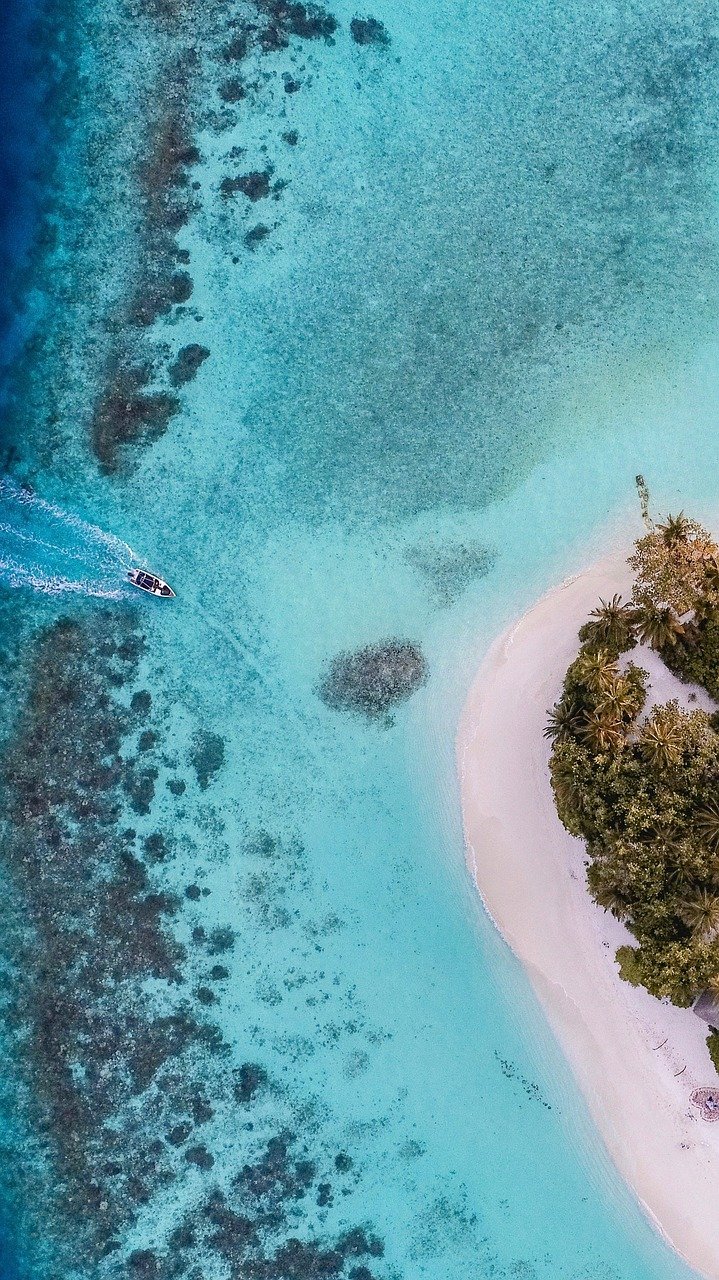
Sri Lanka and the Maldives suit surfers who want warm-water travel in a different region from Indonesia. The guide to surf in sri lanka is the place to compare the two.
Central America
Costa Rica is the strongest example of a place built for structured trips. According to Tico Travel, every surf town has rental shops with soft-tops and longboards, which makes it practical to travel without a board. The guide to surf in costa rica goes into regions and timing.
Australia, California and Brazil
These three suit travellers who want a long trip on a coast with a developed surf scene and can plan around a longer journey. See surf in australia, surf in california and best surf spots brazil for each. Choose among them by the season you can travel in and by how much you want to combine surfing with other travel.
What to look for in a surf camp
A surf camp is a bundled trip that takes the planning off your hands, which makes it the best-value choice for beginners and for anyone travelling alone. In Costa Rica, Tico Travel describes a camp as bundling lodging, daily lessons, video coaching and transport to the best break for the day.
Use that bundle as a checklist when comparing camps. A camp that lists only accommodation is a hostel with a surf shop; the value lies in what is packaged around the waves.
- Lessons built into the day. Check that coaching is daily and scheduled around conditions. Lessons are usually scheduled around the tide, so a camp that explains how it plans sessions understands the local break.
- Video coaching. Review of your own footage is a genuine teaching tool and a sign the camp invests in progression rather than just supervision.
- Daily transport to the break. A camp that moves you to the best break for the day removes the need to judge unfamiliar beaches yourself, which matters for safety as well as convenience.
- Clear inclusions. Ask what the price covers before you pay, including board hire, transfers and meals, so comparisons between camps are like for like.
A camp is not the right choice for everyone. Experienced surfers who know how to read a forecast and an unfamiliar lineup may prefer independent lodging and rental boards, which gives more control over where and when to surf. Beginners and solo travellers benefit most from the structure, and the combination of lessons and supervised breaks is what separates a camp from simply staying near a beach.
Flying with a board
Flying with a board comes down to three decisions: whether to bring one at all, how to protect it, and what the airline will charge. Make the airline decision first, because it can change whether travelling with your own board makes financial sense.
Check airline policy before booking
Airline treatment of boards varies, and Tico Travel notes that on some airlines board fees can add $100 or more each way. Its advice is to check board policies before you book. That makes the policy page a deciding factor when comparing fares: a cheaper ticket with a high board fee can cost more than a pricier ticket that treats boards kindly. The dedicated guide on how to travel with a surfboard goes through the process step by step.
Choosing and packing a board bag
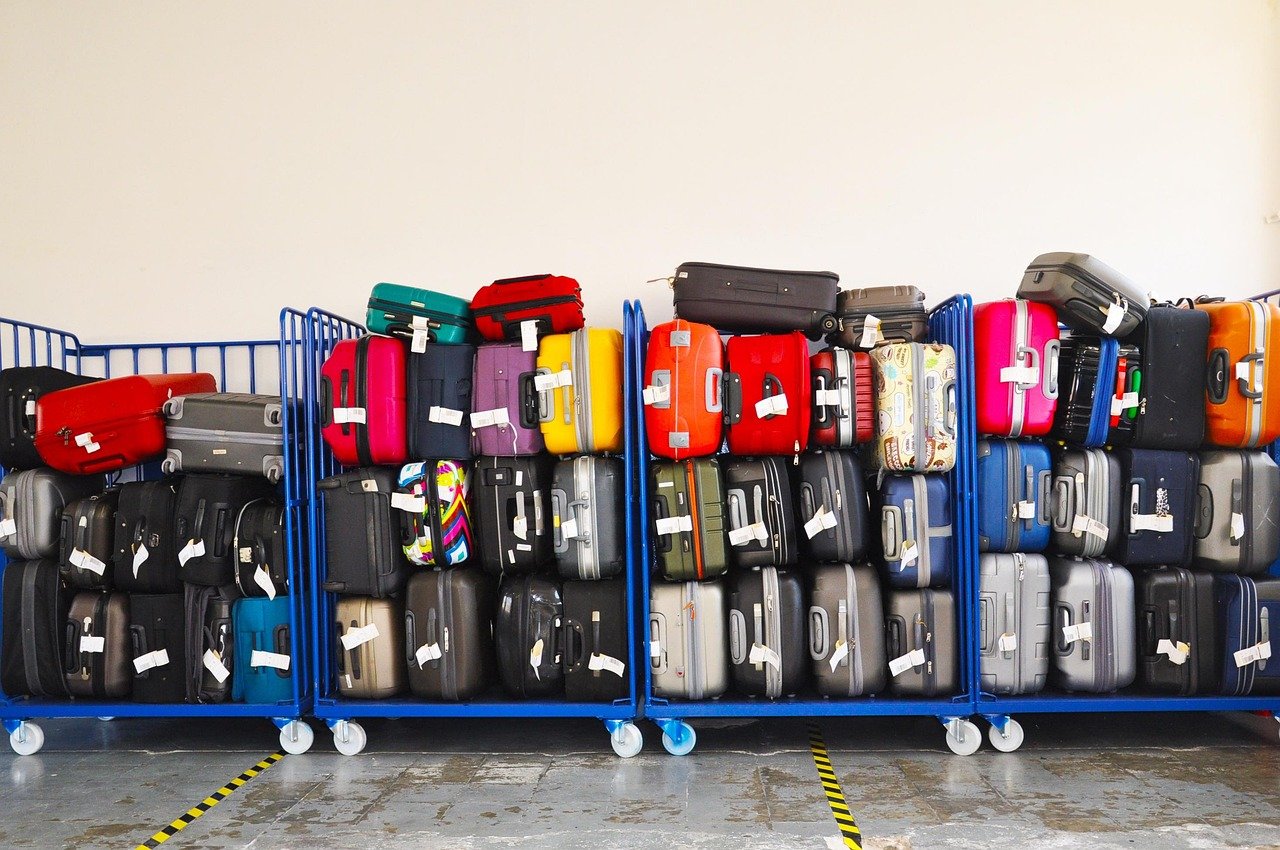
A board bag is the single piece of equipment that most affects whether the board arrives intact. Fins are the most breakable and the most likely to damage the board or the bag, so removing them is a cheap precaution. A flimsy day bag is a false economy on a long trip.
Bring a board or rent one
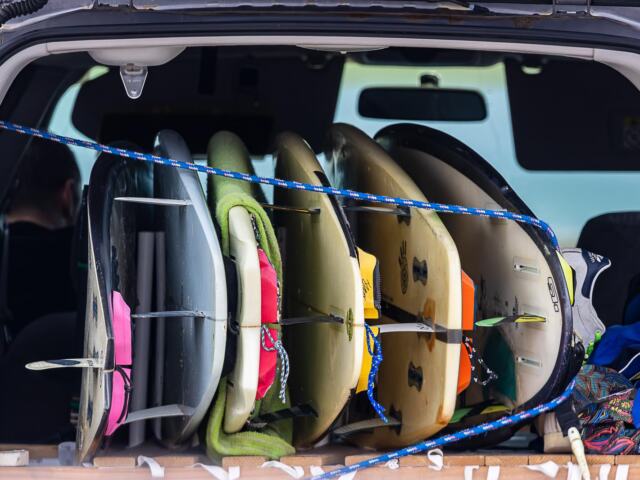
Bring your own board when you ride something specific and the airline fee is acceptable. Rent when the destination has an established surf scene and your needs are simple, because it removes the bag, the fee and the damage risk. For gear beyond the board itself, the surf trip packing list sets out what to take.
Rip currents and beach flags
Rip currents are the hazard that most deserves attention before you paddle out, and the safest way to spot one is to read the beach signage and lifeguard flags before you enter the water, not to rely on your own judgement of the surface alone. At Tico Travel, rip currents are named as the biggest hazard at Costa Rican beaches, and many of those beaches have no lifeguards.
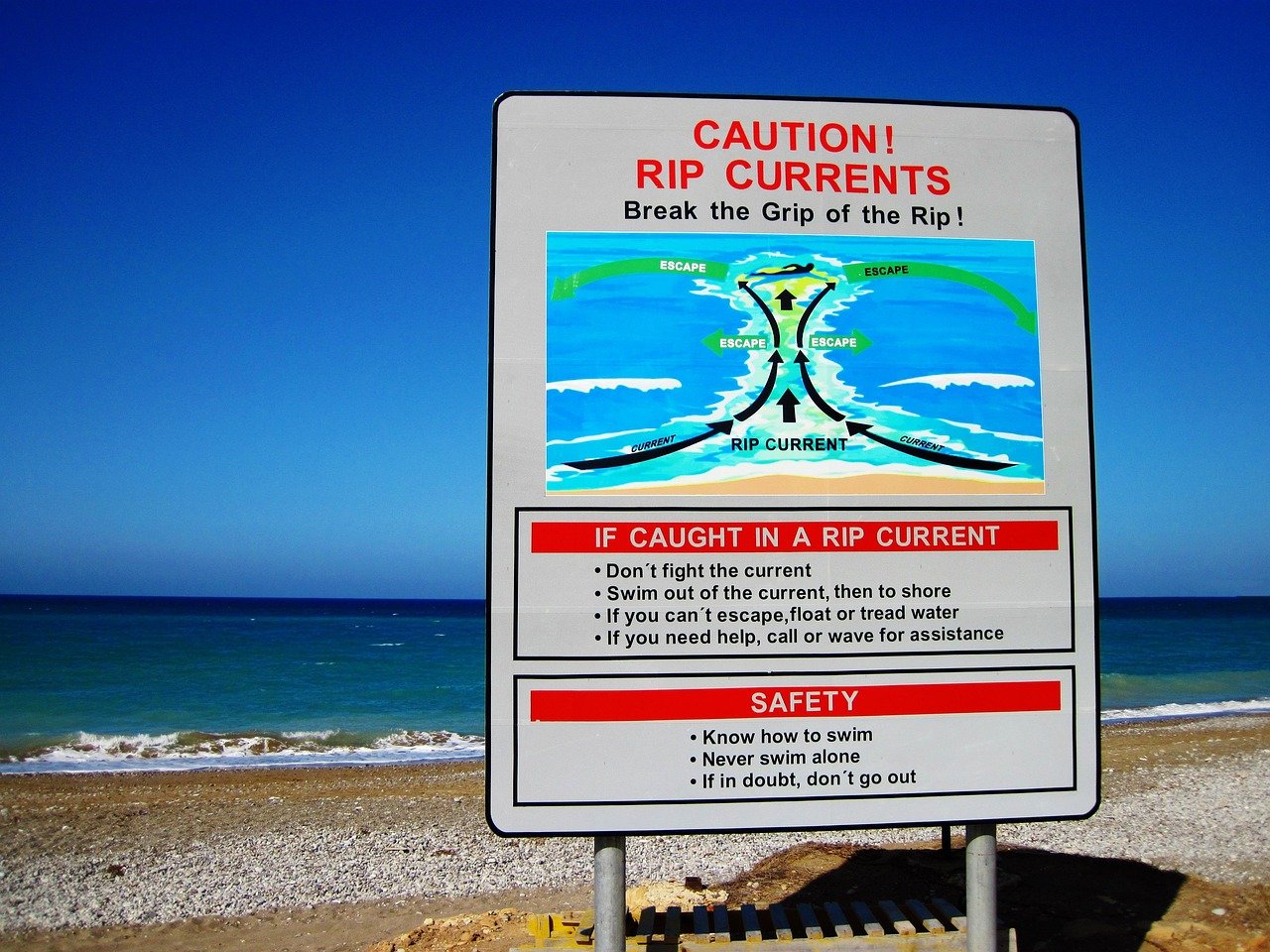
Signs like the one above are worth reading before every session. The advice printed on it is to avoid fighting the current, swim out of it, and then head to shore. Treat a rip current notice as a reason to slow down and ask questions, not as a formality.
Reading flags and signage
Many beaches post a flag key that explains colours for favourable, hazardous and dangerous swimming conditions. Read the key at the entrance first, then look at the flag flying that day. If the colour indicates hazardous or dangerous conditions, treat that as a reason to choose a different beach or wait.
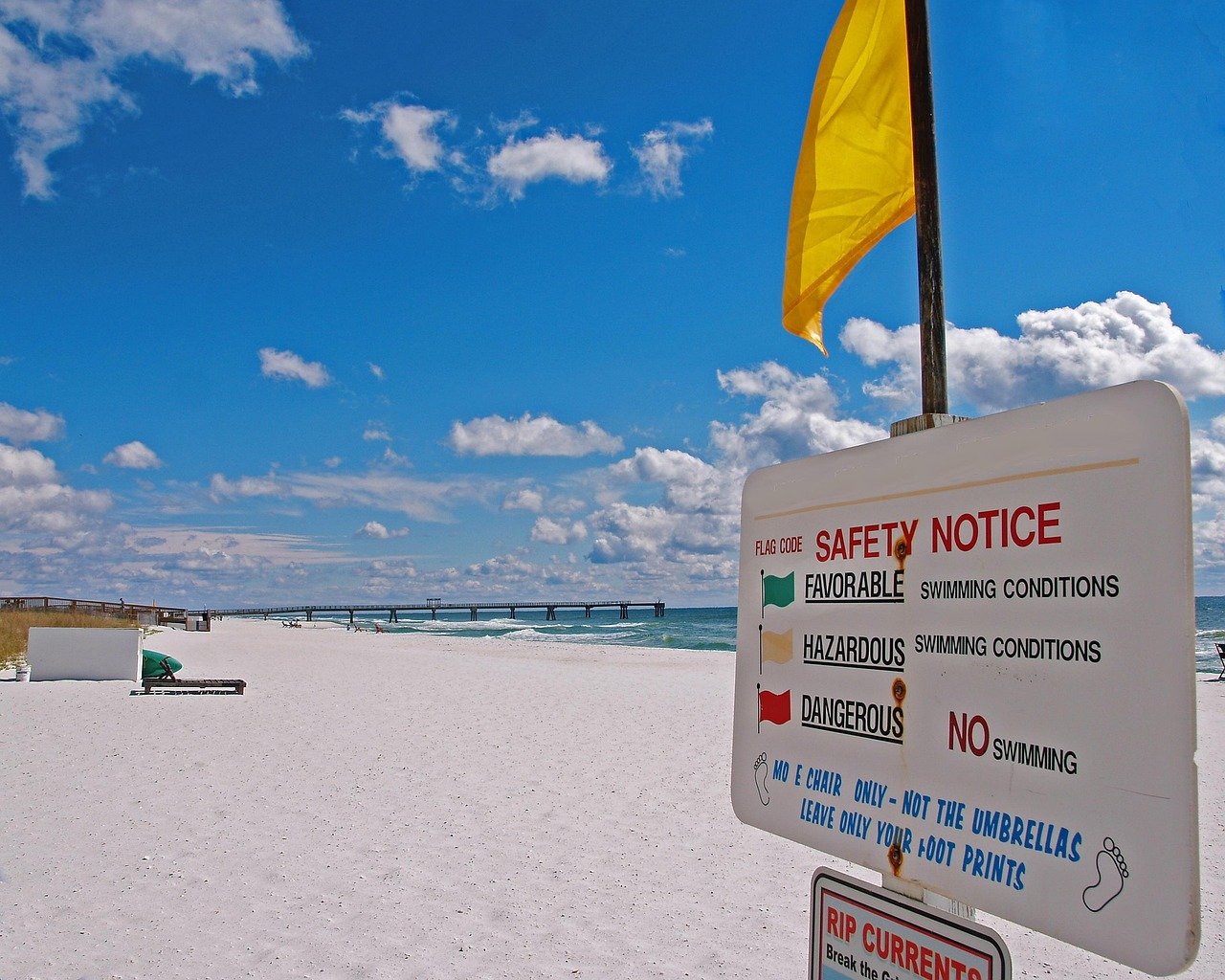
Unguarded beaches
Where lifeguards are absent, the responsibility for reading the water shifts to you. Surf with company, choose breaks that locals or your camp recommend for the day, and skip sessions when conditions look beyond your level. A camp that transports you to the best break each day is partly a safety service for exactly this reason.
Putting a trip together
Work through the decisions in order and the trip largely assembles itself. Decide how far you will travel, then match the season to your skill level, then choose between a camp and independent travel, then settle the board question before booking flights.
For Italian surfers, the strongest plan often combines both ends of the map: regular short sessions on a home coast to keep skills sharp, and one planned trip abroad each year timed to a forecast-friendly season. Insurance and health preparation belong in the plan before payment, which is why the surf travel insurance guide comes early in the checklist.
Frequently asked questions
Can you rent a board instead of flying with one?
Yes at established destinations. In Costa Rica, every surf town has rental shops with soft-tops and longboards, according to Tico Travel, so travelling without a board is practical there.
How much does a group surf lesson cost?
In Costa Rica, group lessons typically cost about $50 to $100 per person and last 1.5 to 2 hours, according to Tico Travel.
Do surf camps include airport transfers?
Many surf camps include airport transfers, so ask before booking whether collection from the airport is part of the package.
Do rental cars charge extra for board racks?
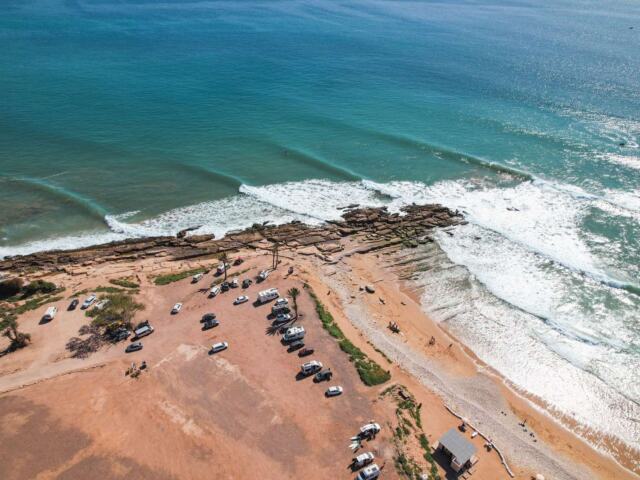
They can. Board racks or straps may cost extra on a rental car, so add that to the budget when you plan to drive between breaks.