| Reader situation | Where to look | Conditions that matter | Planning use |
|---|---|---|---|
| First lessons in the dry season | Tamarindo (Estero, Capitán Suizo) | Dry season runs December to April and gives beginners more consistent, mellow swell | Best-supported starting point for a first surf trip |
| Beginner who wants a bigger beach town | Jaco, Pacific coast | Beginner waves and average peaks | Easy to pair with lessons; judge the day, not the label |
| Laid-back town base | Santa Teresa, Nicoya Peninsula | Pacific swell all year, peaking June to September | Choose the month by your level, not by the town |
| Experienced surfer wanting power | Playa Hermosa, Pacific coast | Consistent Southwest swell and huge rips | Skip as a first-week break; rips are the main hazard |
| Experienced surfer chasing a famous wave | Pavones | South swells come in the May to October season and can be absent for days | Build in spare days |
| Experienced surfer wanting the Caribbean | Salsa Brava and Cahuita | October to April is the stormy season; crocodiles and sharks are a higher risk | Pick it for size and challenge, not for an easy first week |
Ability notes and seasons come from OMBE’s Costa Rica surf guide and Stay in Tamarindo’s surf vacation guide.
To surf in Costa Rica, pick the coast before the month: the Pacific coast gets Southwest swell all year, the Caribbean side turns stormy from October to April, and beginners do best in the dry season.
This guide sorts the country by the situation you are in rather than by region. For a trip closer to home, start with where to surf in Italy.
Choosing a coast and a month
Costa Rica has two surf coasts with different seasons, so the coast decides the month. The Pacific is the default for most travellers, while the Caribbean rewards a narrower group.
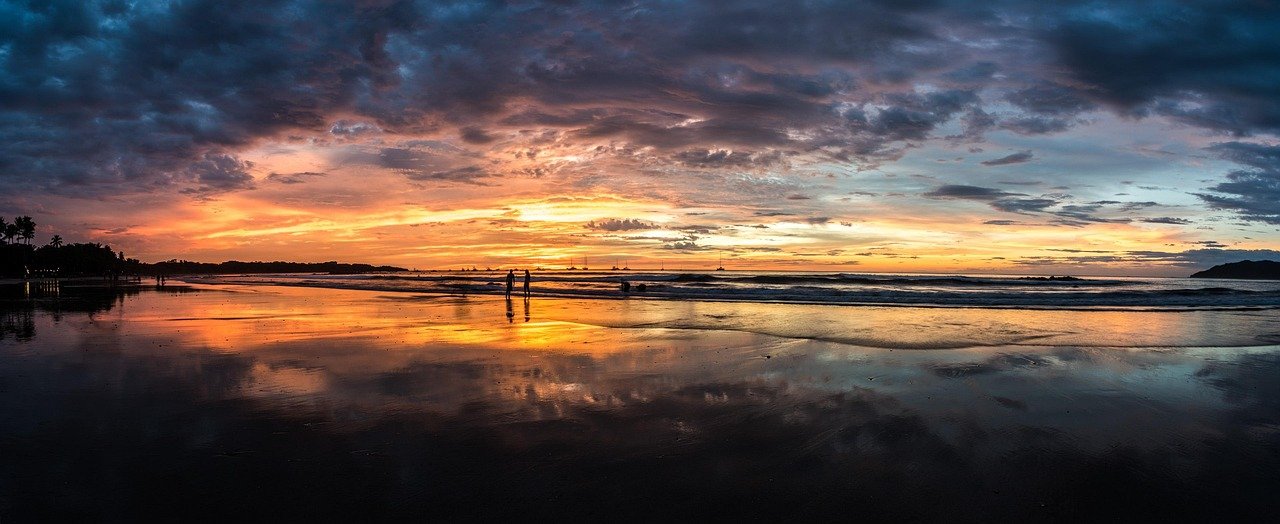
Pacific coast
OMBE puts the green (rainy, low) season from May to November and the dry season from December to April. The Pacific side receives the Southwest swell all year, and easterly trade winds blow offshore along it, so the coast is surfable in every month apart from storm days.
The seasons suit different surfers. In the dry season the swell is more consistent and mellow for beginners. In the green season the rainy season offers bigger, more consistent and longer rides, with swell peaking from June to September. OMBE adds that low-season storms produce big waves for advanced surfers. If you are still learning, wait for the dry months. If you can handle size, the green season is where the best waves are.
Caribbean coast
The Caribbean follows a different calendar. Stay in Tamarindo describes October to April as the stormy season that churns up southern Caribbean surf, and says Cahuita and Salsa Brava can produce huge swells when they are working. The same guide lists a higher incidence of crocodiles and sharks on this side.
That mix makes the Caribbean a choice for experienced surfers who want size and are willing to accept more hazards. First-timers get a gentler introduction on the Pacific.
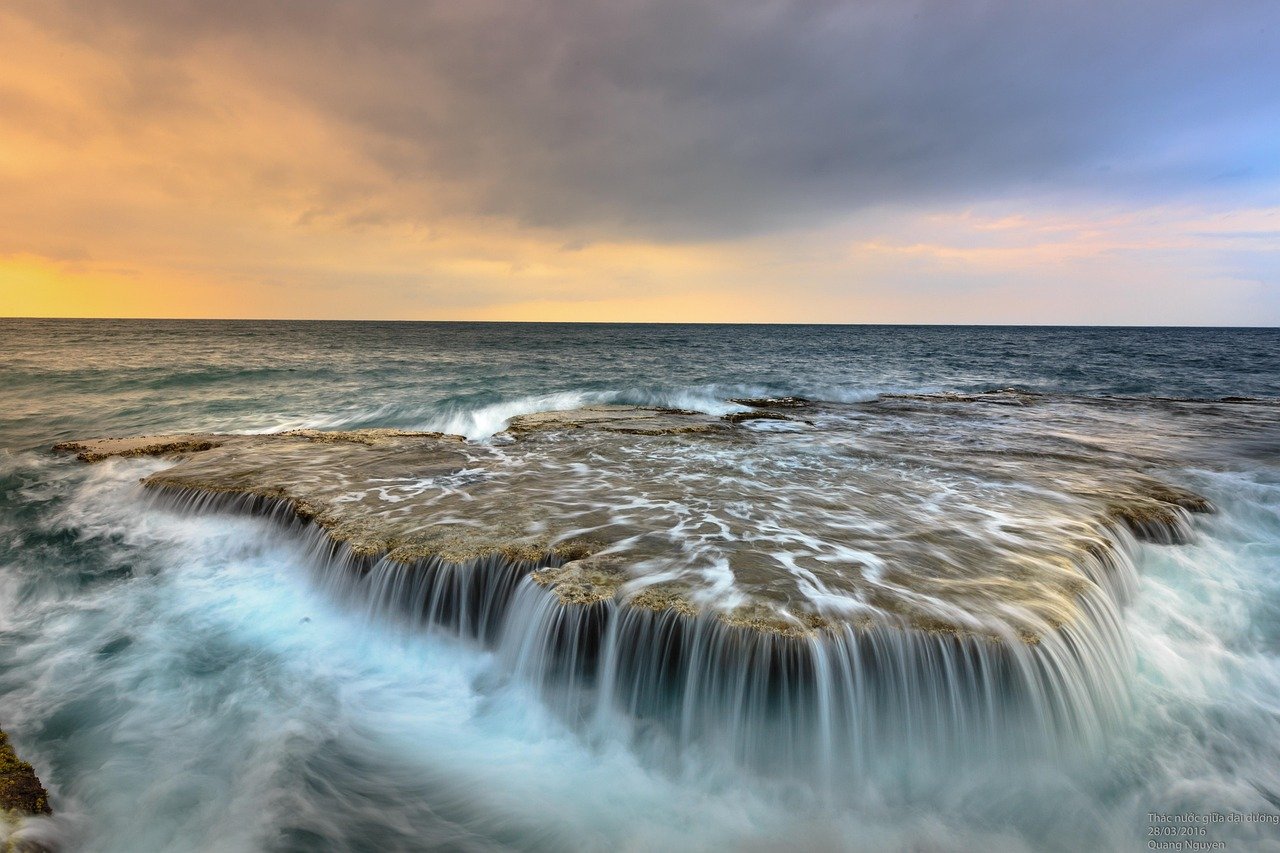
If you are learning
Beginners get the most from the Pacific beach breaks in the dry season. Three spots stand out in the supplied guidance, and all of them depend on the day’s conditions.
Tamarindo
OMBE says Tamarindo has many beach breaks and that you can always find a nice break to surf at any time of the year. Its Estero break is described as ideal for beginner and intermediate surfers because of its mellowness. Stay in Tamarindo calls the waves in front of Capitán Suizo some of the most predictable around.
Tamarindo suits first-timers and returning intermediates who want a choice of breaks within one town. The limit is that predictable does not mean flat: pick the break to match the swell on the day.
Jaco
Stay in Tamarindo says Jaco serves up beginner waves and average peaks. It suits beginners who want a larger beach town rather than a quiet one. The “average peaks” wording is a reminder that it will not deliver the power of Playa Hermosa.
Playa Avellanas
The same guide calls Playa Avellanas a great beginner’s beach on calm days. On rougher days it becomes an advanced surfer’s break, so beginners should check conditions on the day and treat it as a calm-day option only.
A laid-back town base
Santa Teresa
Stay in Tamarindo groups Playa Santa Teresa with Mal Pais, Playa Carmen and other laid-back surf towns on the Nicoya Peninsula. For travellers searching to surf Santa Teresa, the Pacific seasons above apply: dry months for mellower swell, the June to September peak for bigger days.
The town suits surfers who value a relaxed base over a single famous wave.
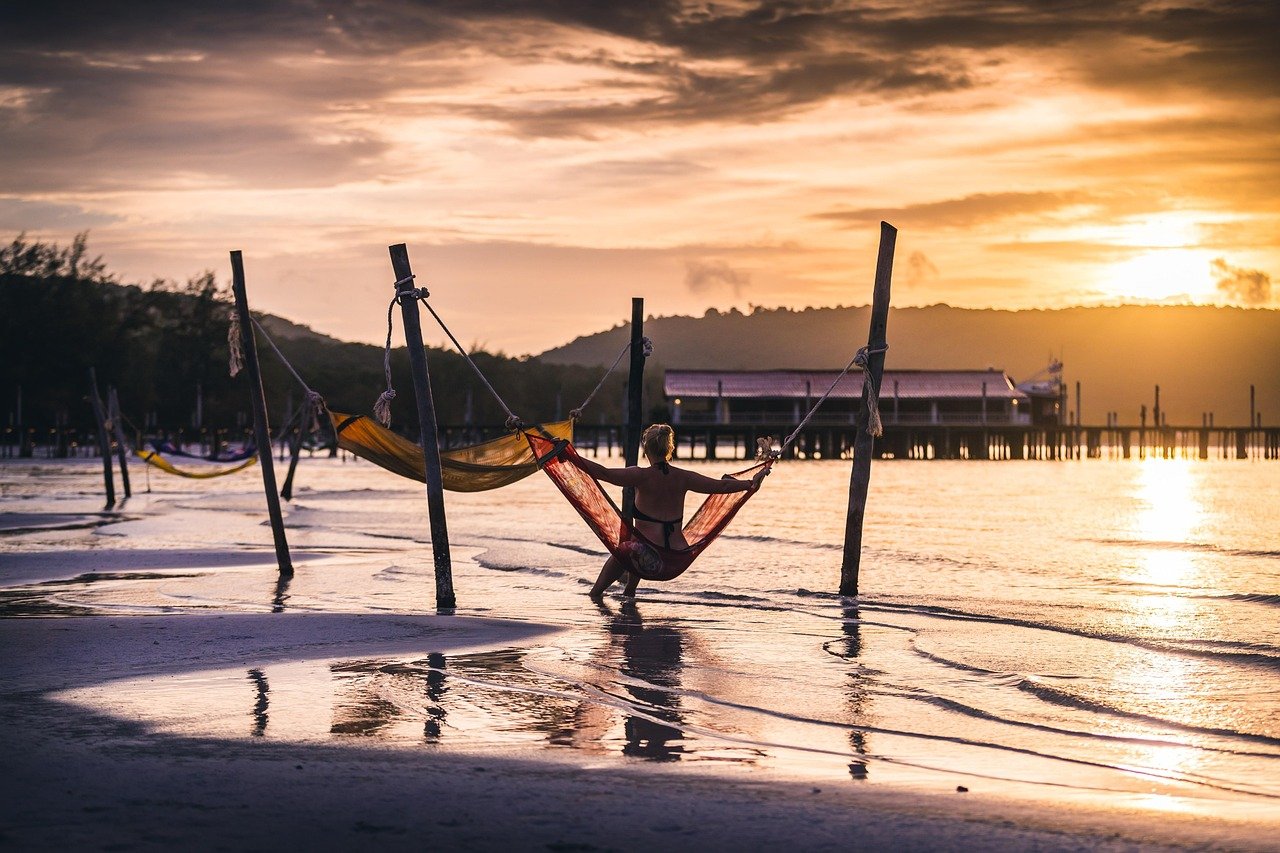
If you want power and can handle it
Playa Hermosa
OMBE notes that the Pacific town of Playa Hermosa is only two hours’ drive from San José, which makes it easy to reach. Stay in Tamarindo says black-sand Playa Hermosa revs up the energy with huge rips, and it describes the surf as consistent, with major challenges.
Rip currents are the main safety flag here. Playa Hermosa fits experienced surfers who read currents confidently, and it is a poor choice for a first week in the water.
Pavones
Pavones’ famous waves come only during the south swells of the May to October season, and they can be absent for days. Plan a flexible stay rather than a short, fixed one, and have a backup break in mind.
Comparing destinations
Surfers weighing Costa Rica against other long-haul trips can set it beside surf in indonesia or surf in australia.
Surf camps
A surf camp makes sense when you want lessons, boards and a base arranged together. The break outside the camp matters more than the facilities, so judge a surf camp in Costa Rica on location and season first.
- Ask which break the lessons use. Camps near Tamarindo’s Estero or Capitán Suizo sit beside breaks described as mellow or predictable, while a camp near Playa Hermosa sits beside rips.
- Match the camp’s coast to your travel month. A Pacific camp works across the year, but the dry season is gentler for learners. A Caribbean camp is only a sensible option in its stormy months if you are experienced.
- Ask about rough or flat days. A good plan names an alternative break or activity, not just a refund policy.
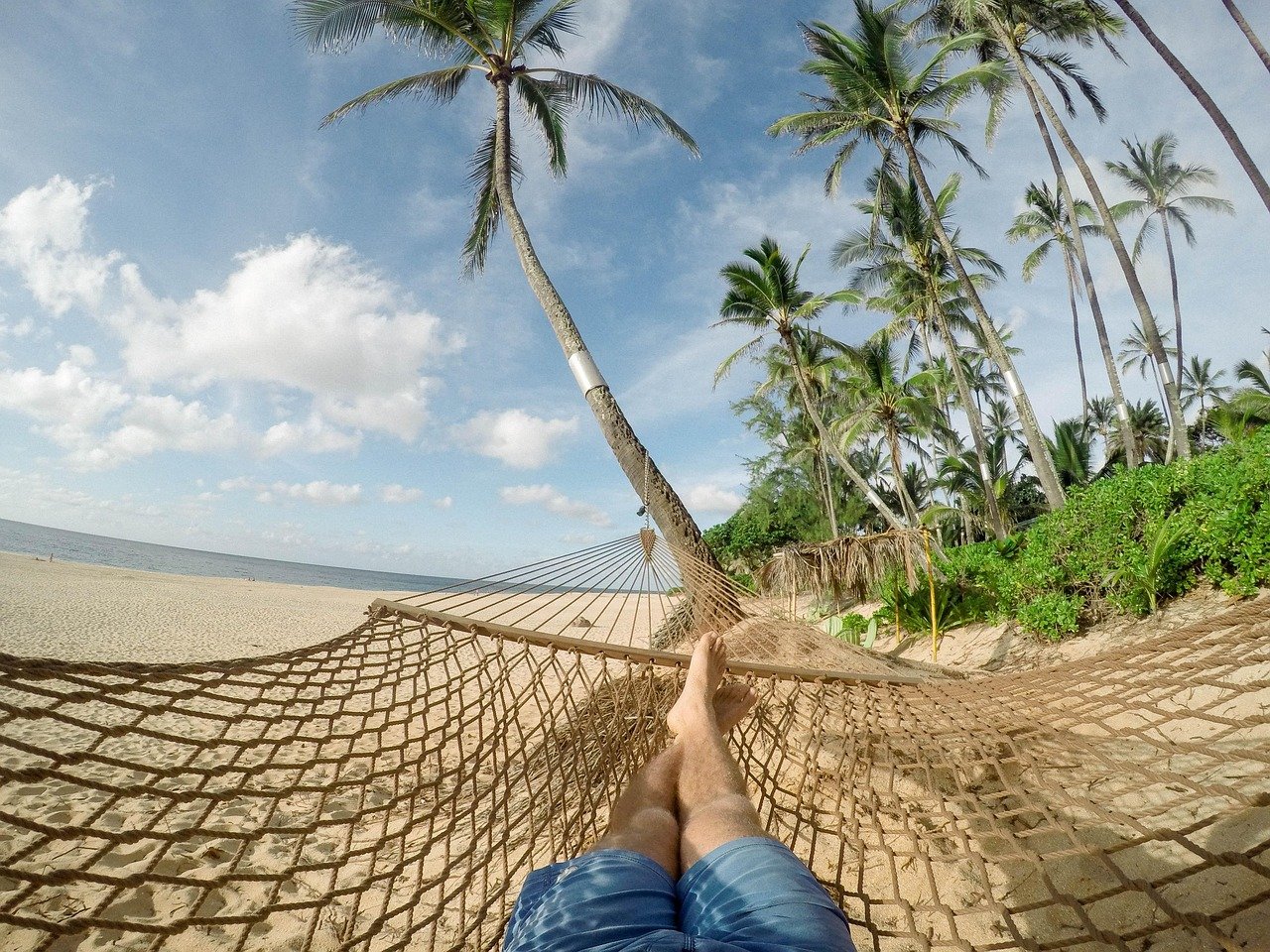
Water temperature and what to pack
OMBE gives the water temperature as 27-29 °C (80-85 °F). Stay in Tamarindo reports 80-82 °F year-round at Tamarindo. At those levels the water stays warm in every season, so a wetsuit is not the main packing concern. Spend that luggage space on sun protection and a spare board leash.
Frequently asked questions
| Question | Answer |
|---|---|
| Can you surf in Costa Rica all year? | Yes. OMBE says it is surfable at any time of year unless there are storms, which matter most in the low season. |
| When do storms arrive in the shoulder season? | OMBE describes a shoulder season from July to November, with storms mostly at night. |
| How warm is the air on the coast? | OMBE puts it between 20-30 °C (70-90 °F). |
| Is Costa Rica safe for travellers? | OMBE describes it as one of the safest countries in Central America. Surf hazards such as rips at Playa Hermosa and wildlife on the Caribbean side are separate matters. |