Heading out soon and worried you’ll forget something vital? Your surf trip packing list starts with board, spare fins and leashes, wax, sun protection and documents; destination and water temperature decide the rest.
This guide sits within the wider topic of surf travel, where packing is one step of the journey.
| Item | Value |
|---|---|
| Boards to bring when flying | 1-3 boards, depending on destination and travel mode |
| Spare fin sets | One or two spare sets |
| Spare leashes | At least two or three backups |
| Surf wax | Matched to the water temperature |
| Items on one full checklist | 19 items |
The figures come from a surf-camp packing guide and a Central America travel guide. They are advice rather than rules and can change, so check the sources before you rely on them.
Start with the destination, not the bag
The place you’re going decides almost everything you pack. A surf-camp guide puts it bluntly: your bag will look very different for Indonesia than for Iceland.
Before you open a suitcase, find the answers to these questions:
- What is the air temperature?
- What is the water temperature?
- When is the best season to go?
- Are there surf shops or repair shops nearby?
- What kind of waves and breaks will you be surfing?
The last two matter more than they seem. If a shop is a long way off, anything you forget becomes a problem, and reef breaks change what you wear on your feet.
If you are still choosing where to go, read how to plan a surf trip for the wider picture. If the Italian coast is on your list, the best surf spots in Italy will help you picture the conditions you’re packing for.
Boards, bags and spare parts
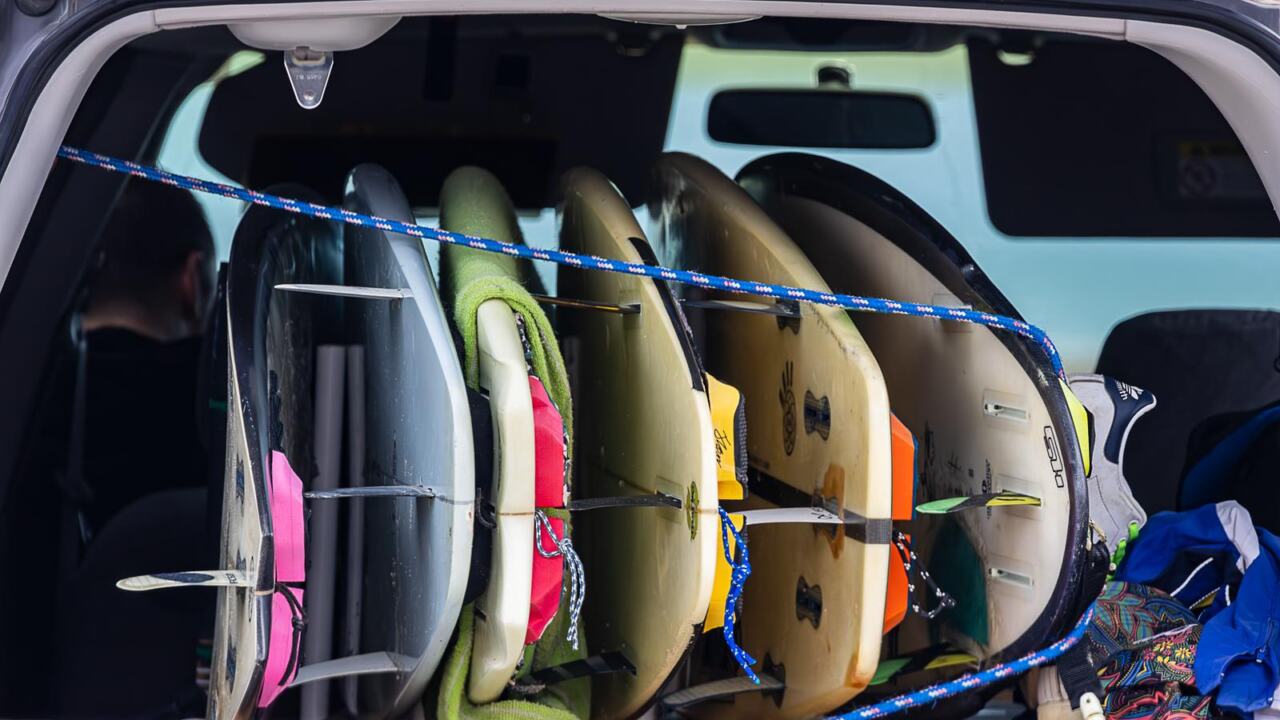
For flights, a packing guide from a surf camp suggests bringing 1-3 boards depending on your destination and travel mode. It adds that two to three boards might be a good amount, and that renting at the destination is always an option.
Whatever you bring, check the airline’s rules on board length and surfboard travel before you book. Knowing the policy in advance helps you avoid surprise charges.
A padded board bag is worth paying for, because boards can arrive dinged. You can pad them with wetsuits, beach towels and rash guards, which also frees up space in your suitcase.
Then pack the small parts that keep a trip going:
- Fins, plus one or two spare sets
- Extra fin keys and screws, which are easy to pack and easy to lose
- Spare leashes: a Central America guide says to bring at least two or three backups
- Wax matched to the water temperature of your destination
- A repair kit to fix dings on the go
- A soft rack, if you’ll move boards by car or tuk-tuk
Fin keys, screws and leash ties weigh almost nothing. Buying them at your destination is possible, but having your own saves time when a leash snaps on the first morning.
Wetsuit, rash guard and clothing
Choose your wetsuit by water temperature. A surf-camp checklist says warm destinations may need only a rash guard, while colder spots call for a full suit.
Even in warm water, a rash guard earns its place. The Central America guide notes that bare skin can irritate very quickly on hard, waxed boards in salty water, and a rash guard also helps with sun.
For your feet, reef boots protect against sharp reefs and rocks. The same guide says that if you’re surfing reef breaks you’ll want protection, and that reef breaks are common across the region it covers.
Out of the water, pack light layers you can mix:
- Boardshorts, swimsuits or bikinis
- A hoodie, flannel or light jacket for evenings
- Sunglasses and a hat
- Flip flops or sandals, plus comfortable walking shoes
- A rain jacket if you’re travelling in the rainy season
- A Turkish towel, which saves space and dries faster
Sun, health and first aid
Pack reef-safe sunscreen. The Central America guide says to buy it to protect local coral reefs alongside your skin, and a zinc-based product suits strong sun and sensitive areas like your face and lips.
Add lip balm with SPF and a wide-brimmed hat. A checklist from a surf camp includes both.
A small first aid kit is worth the space. Surfers can swallow water and get stomach issues, and they can cut themselves on reefs and rocks. The surf-camp guide suggests including:
- Band-aids
- Painkillers
- Sanitizers
- Remedies for reef cuts
If you take prescription medication, bring it. The same guide also says to check whether your destination requires any vaccinations.
Documents, money and downtime
Sort your paperwork first, because it gets you onto the plane. The surf-camp checklist lists these:
- Passport
- Travel visa, if required
- Driver’s license
- Credit card and ATM card
- Cash in local currency and small bills
Add travel insurance, which the other camp guide calls essential for unexpected situations.
For tech, the checklist covers a smartphone and charger, a power bank and a travel power adapter. Check which plug type your destination uses before you leave.
How do you avoid overpacking?
Start by asking what you actually need. If you’re only learning, the Central America guide says you won’t need much, not even a board, because your surf school provides the rest.
If you do bring a board, weigh it against renting. The surf-camp checklist notes that renting at your destination can save money on airline fees and reduce stress.
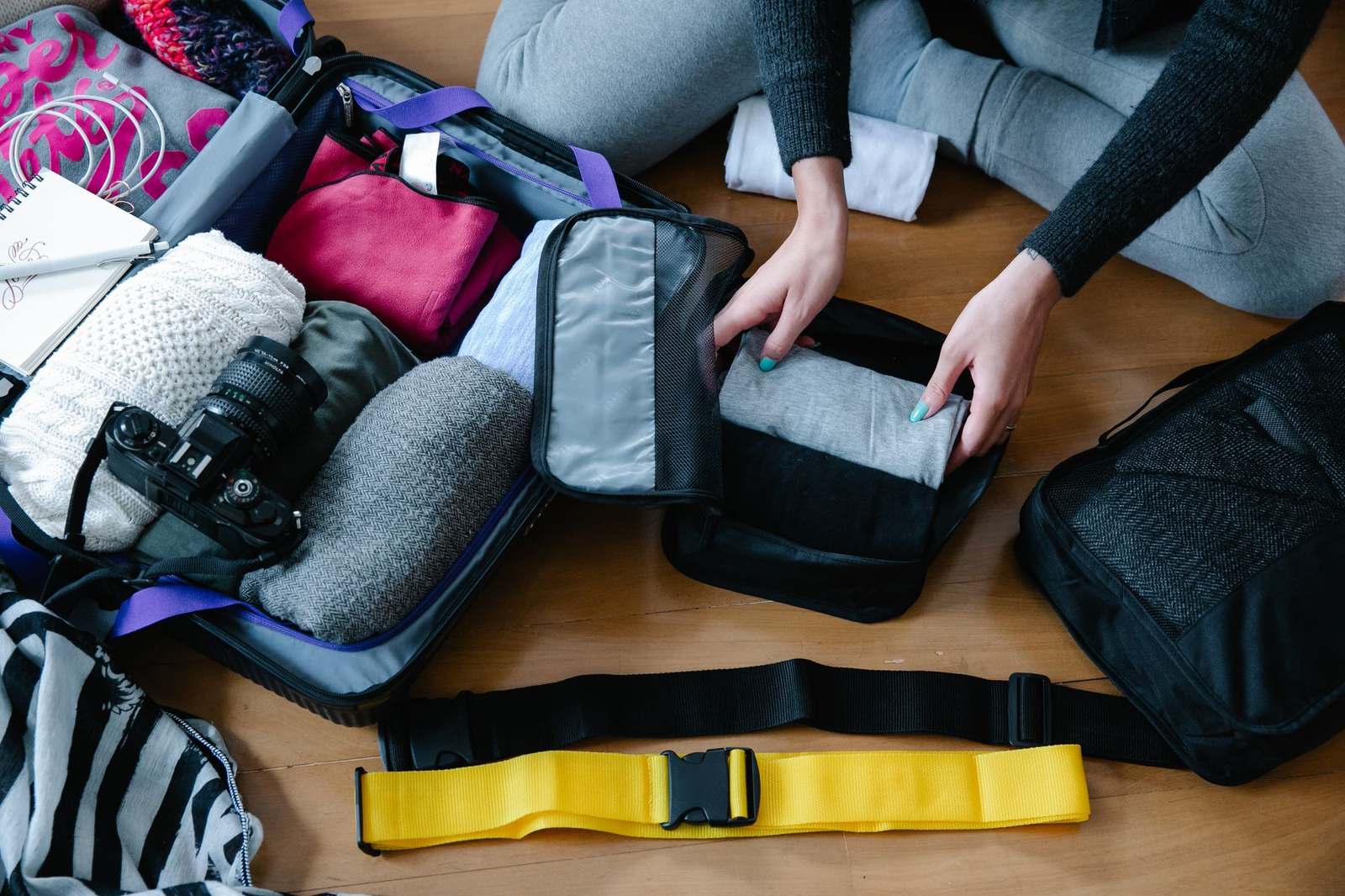
You can also use padding as packing: wetsuits, towels and rash guards go inside the board bag. It protects the board and leaves your suitcase lighter.
Finally, remember that you can buy things on arrival, but the surf-camp guide says it may be easier and cheaper to have everything sorted before you go. Save the buying for items that are light and cheap to replace.
Frequently asked questions
What should I put on a surf trip packing list?
Show answer
Start with your board or a plan to rent, fins, leashes, wax, a wetsuit or rash guard, sunscreen, a first aid kit and your documents. Then add items to suit your destination’s water and air temperature.
Should I bring my own board or rent one?
Show answer
It comes down to cost and convenience. Hiring a board once you arrive means you skip airline charges and the worry of a battered board bag, as the checklist points out. If you have a favourite shape you don’t want to be without, take it and read the airline’s surfboard rules before you book.
Do I need a wetsuit?
Show answer
That depends on how cold the sea is where you’re going. In warm water a rash guard may be enough for the surf itself; if you’re heading somewhere colder, pack a full suit, and look up the water temperature before you choose.
What sunscreen should surfers use?
Show answer
Reef-safe sunscreen, according to the Central America guide. Zinc-based products suit strong sun and sensitive areas like your face and lips.
Do I need travel insurance?
Show answer
A surf-camp packing guide calls travel insurance essential for unexpected situations. Check what your policy covers before you rely on it.