Worried about picking the wrong coast for your surf travel? Match the coast to the season, the wave type and your level, then pack for the water temperature. Get those right and the rest of the trip is easy.
| Item | Value |
|---|---|
| Best season for surfing in Europe (Perfect Wave page, last updated 2020) | Autumn |
| Portugal’s coastline length | 1793km |
| Distinct coastlines in Spain | 3 coastlines |
| North Spain winter wetsuit | 4/3mm, or 5/4mm if you feel the cold |
| Andalusia winter and spring wetsuit | 3/2mm |
| Canary Islands wetsuit for most of the year | 3/2mm or 2/2mm |
These figures come from Perfect Wave’s Europe surf page, last updated 10 February 2020, and idealista’s guide to surfing in Spain, published 21 July 2025. Figures and seasons can change, so check the source before you rely on them.
What surf travel really involves
Good surf travel starts with a simple idea: the coast decides the trip. Swell, wind, tide and the shape of the seabed make the waves, and your own level decides which of those waves are worth the journey. Flights, beds and rental cars are built around that one choice.
That is why a coastal trip works better as a sequence of questions than as a list of famous names. Work through these in order and most of the stress disappears:
- Which coastline suits my level right now?
- Which season sends swell to that coast?
- What will the water temperature ask me to wear?
- How will I get myself and my board there?
- What is my plan for a flat day, or a day that is unsafe to paddle out?
If you want the booking order spelled out step by step, the guide on how to plan a surf trip covers it. This hub stays at the bigger-picture level and compares coasts, seasons and gear.
Surf travel is one branch of surfing as a whole, so start there if you are still learning the basics of the sport. The neighbouring hub on water sports covers the wider family of ocean activities that share the same shorelines.
This is an independent editorial site. It does not sell trips, take bookings or advise on individual itineraries, and the companies named below appear only as neutral sources.
How do you choose a coast?
Your level is the first filter, because a coast that thrills an expert can frustrate a beginner. The clearest signal is wave type. The idealista guide describes a range from gentle, sandy beach breaks ideal for getting started to challenging reef breaks for more experienced surfers.
Coasts for beginners
For learning, look for wide sandy bays with plenty of space and a good supply of schools and rental shops. The idealista guide singles out Famara beach in Lanzarote, which it calls a huge, sandy bay with gentle rolling waves and many surf schools. It also picks El Palmar in Cádiz on a smaller day, for its sandy bottom and long lines of whitewater.
What both places share is infrastructure: lessons and gear are easy to find, so you spend your energy in the water rather than organising it. If you are leaning towards the Atlantic side of the Iberian Peninsula, the guide to surfing in Portugal for beginners goes deeper on that option.
Coasts for experienced surfers
Experienced surfers have more choice, but also more to lose by misjudging a spot. The same Spanish guide names heavy, shallow reef breaks like The Bubble in Fuerteventura that should only be tackled by very confident surfers. It also calls the tube at Mundaka in northern Spain world-famous.
A simple rule applies to any heavy wave: watch it for a while before you paddle out, and be honest about whether you have the skills for that day’s conditions. A famous name on a map says nothing about whether the wave suits you.
Coasts that depend on wind swell
Not every coast gets reliable ocean swell. According to the idealista guide, the Mediterranean doesn’t receive groundswells like the Atlantic, so surfers wait for local wind swells known in Spain as olas de viento. Those tend to arrive in the winter months when a strong easterly wind blows.
For the Costa del Sol near Málaga, the guide says surfing is a bonus if you live there but not somewhere you’d plan a dedicated surf trip. Treat wind-swell coasts as a lucky extra rather than the reason you travel.
Italy’s coastline follows its own logic, so read the guides to the best surf spots in Italy and to surfing in Sardinia before you assume an island works like the Atlantic coast.
Europe’s Atlantic coasts at a glance
Europe is a good place to compare coastlines because so many different set-ups sit within reach of one another. The two sources used here name a handful of well-known places, and they are examples rather than a ranking. Treat the list as a starting point for your own research.
- Portugal: according to Perfect Wave’s Europe surf page, the coastline measures 1793km and holds the prime location on the Iberian Peninsula’s coastline. The same page names Peniche, Ericeira and the Algarve among European surfing hotspots.
- France: the same Perfect Wave page calls it renowned as one of the best coastlines in the world for surf, and names Hossegor.
- Northern Spain: idealista describes the Basque Country, Cantabria and Asturias as a world away from the south, with cooler water and some of the best surf spots in Spain and Europe.
- Southern Spain: the guide calls the Costa de la Luz in Cádiz the real heartland of surfing in the south, with El Palmar as its most reliable spot.
- Canary Islands: the guide recommends them if you are after waves pretty much any time of year, with the North Shore near Corralejo in Fuerteventura legendary within the European surf scene.
Spain is a useful case study. The idealista guide says the country has three distinct coastlines: the powerful Cantabrian Sea up north, the warmer Atlantic shores down south, and some surprisingly fun waves along the Mediterranean coast. One country can therefore hold three different trips with different seasons and different wetsuits.
The Canary Islands are worth a separate thought. The guide says the weather is warm year-round and that the islands collect swell from the Atlantic, producing everything from gentle beach breaks to powerful reef breaks for experts only. That mix suits a group where surfers of different levels travel together.
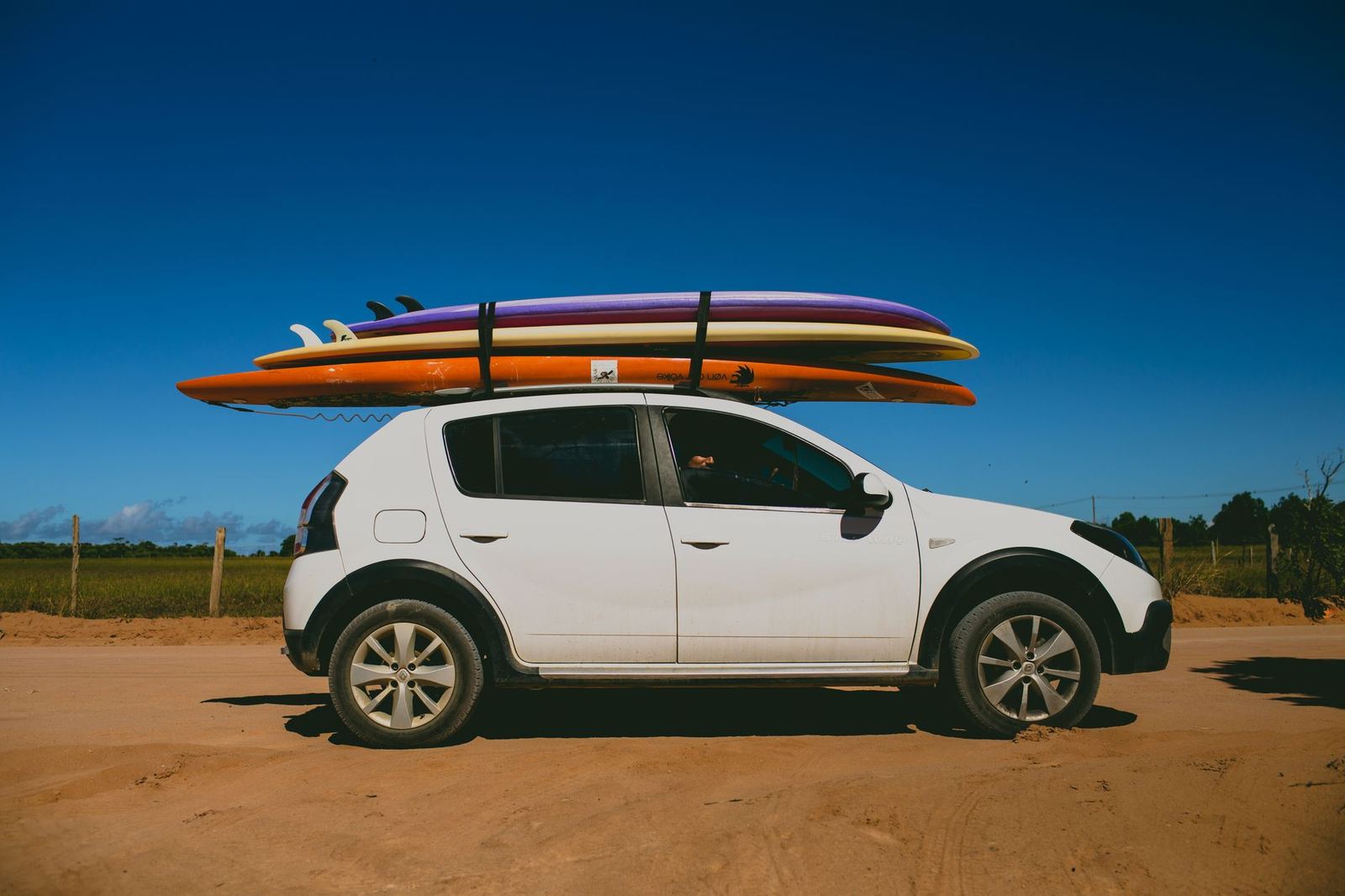
When to go: timing the season
Timing matters as much as geography. Perfect Wave, on a page last updated 10 February 2020, says the best time of year to be a surfer in Europe is autumn. Its reasoning is that the summer crowds have headed home and the North Atlantic swell season is kicking into gear, with the best spots in France, Spain and Portugal breaking to perfection.
That is one operator’s view, and a different source gives a more detailed picture by region. The idealista guide, published 21 July 2025, breaks the advice down like this:
- Northern Spain: aim for autumn and winter for the most powerful and consistent waves, and bring a decent wetsuit.
- Southern Spain and the Mediterranean coast: they work best in spring and autumn when swells arrive.
- Andalusia: the guide says the best time for waves is usually autumn and winter, when big Atlantic storms send swells into the Gulf of Cádiz.
- Canary Islands: great conditions and warm water almost all year round, which makes them a solid choice at any time.
Notice that the guide gives slightly different windows for the south in different sections. Read that as a reminder that seasons are tendencies, not guarantees, and that a swell forecast close to your dates beats any general rule.
The wider question of when each European coast shines is covered in the guide to the best time to surf in Europe. Use it alongside your own constraints, such as work leave and school holidays.
Crowds, events and flexibility
Autumn is attractive partly because summer crowds thin out. Perfect Wave also mentions that this is when the World Surf League comes to Hossegor and Peniche, which is a draw for fans of pro surfing. Event dates change, so confirm them with the organiser before you build a trip around one.
Flexibility is the most valuable planning tool you have. If you can shift your dates by a few days, or choose between two coasts at short notice, you can follow the swell instead of hoping it turns up.
Gear, wetsuits and the water you will meet
Water temperature changes more than most travellers expect, and your wetsuit is the part of your luggage that most depends on the coast. The idealista guide answers the question of whether you need a wetsuit in Spain with a short yes, for the most part, because water temperature varies massively with place and season.
- North coast of Spain: a good quality full wetsuit pretty much all year round. In winter that means a decent 4/3mm suit, or even a 5/4mm if you really feel the cold.
- Andalusia: you can often get away with a 3/2mm full suit for winter and spring, and might use a shorty or just boardshorts at the peak of late summer.
- Canary Islands: a 3/2mm or a 2/2mm wetsuit will cover you for most of the year, though you might brave boardshorts on the hottest days.
These are the guide’s recommendations for Spain, not universal rules, so do not copy them to other countries without checking local water temperatures. They do show a useful principle: the further north and the later in the year, the thicker the suit.
Beyond the wetsuit, build your kit list around the type of trip. A full checklist is in the surf trip packing list, and it is worth reading before you commit to a bag size.
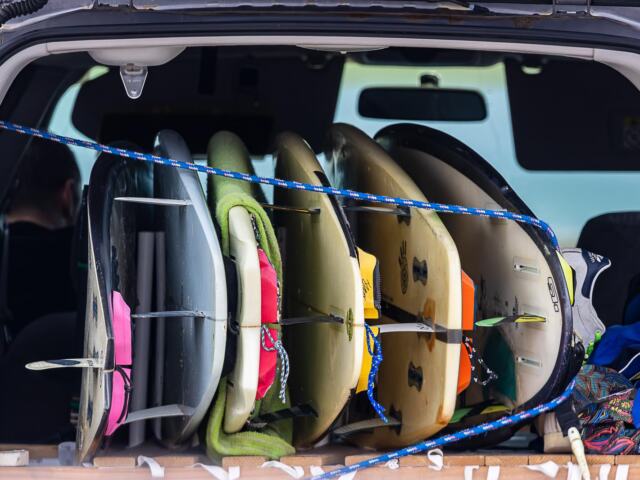
Think too about which board travels best. A board that suits your home beach may not suit the waves on the coast you are visiting. Surf schools and rental shops are common in the beginner-friendly places named above, so a lighter bag with a rented board can be the smarter choice.

Getting there, staying safe and travelling well
Once you have a coast and a season, the logistics are about moving yourself and your gear without surprises. If you plan to bring your own board by air, read up on how to fly with a surfboard before you buy tickets, because airline rules and fees differ and are worth checking directly.
On the ground, coastal surf towns are often spread along a stretch of road, so think about how you will reach more than one beach. A few questions will save time:
- Can you reach the breaks you want without a car, or will you need to rent one?
- Is there somewhere safe to store a board and wet gear?
- Is the nearest alternative beach close enough for a flat day or a wrong-direction swell?
- Do you know where to find a rental shop or school if your own board is damaged?
Reading the beach before you paddle out
Safety starts on the sand. Every beach has its own hazards, and the flags and signs at the water’s edge are the quickest summary of the day’s risk. The guide to beach flag meanings explains what the common colours tell you, and local lifeguards can add detail no website can.
Do not confuse a pleasant beach with a good surf beach. The idealista guide notes that the Costa del Sol may have some of the top Blue Flag beaches in Spain, yet surfing there is a much more opportunistic affair. A beach can be excellent for swimming and poor for waves, and the reverse.
Respect, crowds and local knowledge
Popular breaks attract many people, and lineup etiquette is part of travelling well. Be patient, watch how locals take turns, and leave a wave that is not yours. If you are unsure of the rules at a particular spot, ask at a local surf school or shop before you paddle out.
Plan for the non-surfing hours too. Perfect Wave notes that the wine, food and cultural activities in Europe are as fantastic as the waves, and a trip that has something for flat days is a better trip. Check that your travel insurance actually covers surfing, because policies differ.
Putting a coastal plan together
To finish the planning, turn the questions from the first section into a one-page outline. It does not need to be elaborate. It needs to make your trade-offs visible so you can see them before you pay for anything.
- Write down your level honestly, and pick two coasts that match it.
- Check the season for each coast against the sources above and a current forecast.
- Note the water temperature and choose your wetsuit thickness.
- Decide whether you will bring a board or rent one.
- Choose a base that gives you a second beach within easy reach.
- Learn the local safety signals before your first session.
Then step back and ask whether the plan fits the people travelling. A trip built for the strongest surfer in the group can leave everyone else on the beach, while a trip built only for beginners can bore the rest. Regions with varied waves nearby, such as the Canary Islands described above, make compromise easier.
Finally, keep your expectations flexible. Swell forecasts shift, wind turns, and even a well-timed trip will have days that do not deliver. Treat those days as part of the experience and you will come home happier.
Frequently asked questions
What is the best time for surf travel in Europe?
Show answer
It depends on the coast, so match the month to the region you choose. The idealista guide, published 21 July 2025, points to autumn and winter for northern Spain and to warm water and good conditions almost all year in the Canary Islands.
Do I need a wetsuit to surf in Spain?
Show answer
For the most part, yes, according to the idealista guide. It suggests a full suit all year on the north coast, a 3/2mm for winter and spring in Andalusia, and a 3/2mm or 2/2mm in the Canary Islands.
Can you really surf in the Mediterranean?
Show answer
Sometimes. The idealista guide says the Mediterranean doesn’t receive groundswells like the Atlantic, so surfing depends on local wind swells, usually from a strong easterly wind in winter. It is better treated as a bonus than a reason to travel.
Where can beginners learn in Spain?
Show answer
The idealista guide points to Famara beach in Lanzarote and El Palmar in Cádiz on a smaller day. It says what makes such places good for learning is the number of surf schools and rental shops.
Should I bring my own board?
Show answer
It depends on the trip. Bringing your board means dealing with airline rules, while renting is common in places with many schools and shops. Read the airline’s policy before you decide.