| Planning point | Value | Planning use |
|---|---|---|
| Main swell season | September to March, when Atlantic storm swells peak | Aim winter trips inside this window. |
| February conditions | Water 16-18°C (the annual minimum); air about 18-21°C | Treat February as the coldest test of your wetsuit choice. |
| Wetsuit | 3/2 mm around Agadir; 4/3 mm further north in winter | Choose thickness by base, not by calendar alone. |
| Agadir airport to Taghazout | 39 km; 45 minutes to 1 hour by road depending on traffic | Plan the first evening around a transfer of about an hour. |
| Anchor Point | Long right-hand point break; September to March | Keep it for strong intermediates and experienced surfers. |
These figures come from the Morocco guide at Travel Surf and the country overview at BreakFinder.
To surf in Marocco in winter, plan for September to March, when Atlantic storm swells peak, then match the spot to your level: Imsouane for progression, Anchor Point for experienced surfers.
Surfers used to local waves can compare this coast with where to surf in Italy before choosing a destination. Anyone weighing other Atlantic coasts can read best surf spots portugal, and those considering a longer-haul trip can look at surf a bali.
Why winter works on Morocco’s Atlantic coast
Morocco’s exposure to the Atlantic Ocean explains its winter appeal. BreakFinder reports that the coast fires best from September to March, when Atlantic storm swells peak. Travel Surf adds that, thanks to Atlantic swells, the surfing season lasts almost year-round.
The same guide cites over 300 days of sunshine a year, with pleasant temperatures even in winter. That combination suits a winter surf trip: swell is strongest when many other destinations are at their coldest, and the days on land stay comfortable. Winter is also the better time for the sheltered point break at Hash Point, where Surf-Forecast states that winter is the best time of year for surfing.
September to March: reading the swell window
The main season runs from September to March, so a winter trip sits in the middle of it rather than at the edge. Beginners have a slightly different window: Kosa Surf calls October to March the sweet spot for first-timers.
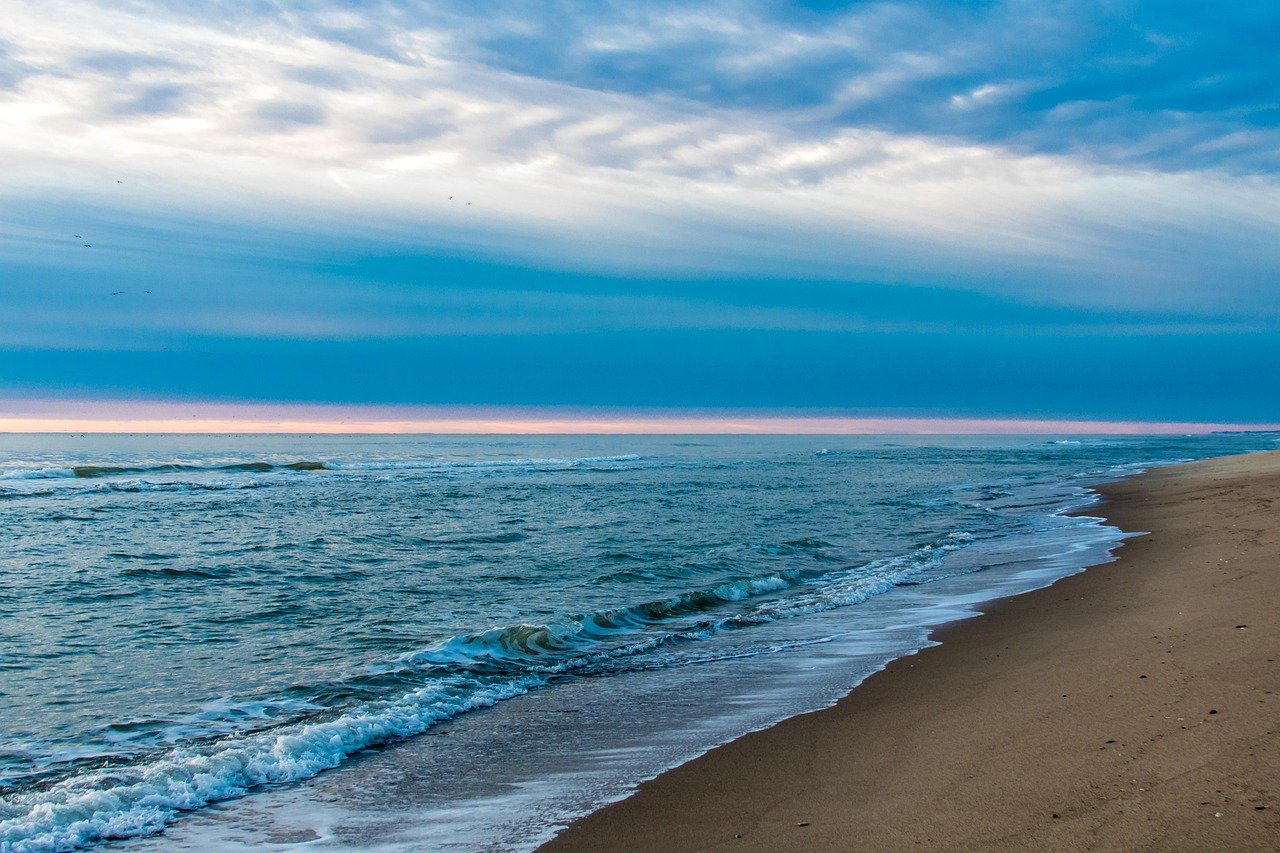
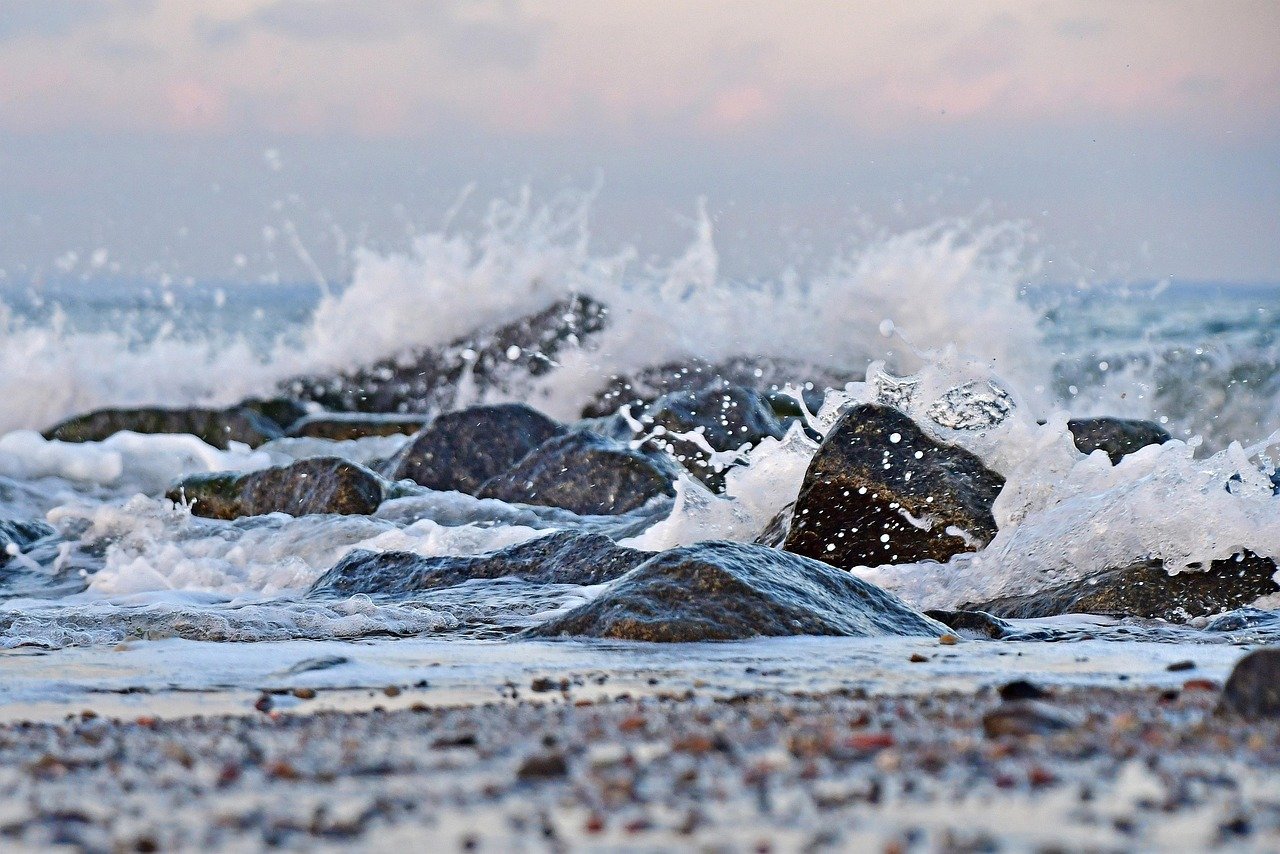
Waves on this coast come from Atlantic storm swell, so size and quality change from day to day. Check a marine forecast before each session instead of relying on the season alone. The wave-energy view below is a generic illustration of how swell breaks on a rocky shore, not a Moroccan break.
Winter water, air and wetsuits
Water temperature near Agadir and Essaouira ranges from 17°C in winter to 21°C at the end of summer, according to Travel Surf. February marks the annual minimum, at 16-18°C water and about 18-21°C air. Yes, you need a wetsuit in winter, but a thin one is enough around Agadir.
- Around Agadir and Taghazout: a 3/2 mm wetsuit is the guide’s recommendation, and BreakFinder gives the same 3/2 mm with 4/3 mm in winter.
- Further north, near Essaouira and Safi: Travel Surf suggests a 4/3 mm in winter.
If you run cold or plan long sessions, go to the thicker option. Anyone based in the Agadir area who surfs short sessions can start with the 3/2 mm.
Getting from Agadir airport to Taghazout
Taghazout is 39 km from Agadir airport, a drive of 45 minutes to 1 hour depending on traffic, according to Travel Surf. Tamraght, a cheaper base, is also about 45 minutes from the airport.
- Choose a base first. Taghazout has the most surf-town atmosphere; Tamraght suits tighter budgets.
- Ask about the transfer. A surf camp bundles accommodation, lessons and equipment, and often the airport transfer too.
- Build in a buffer. Because the drive varies with traffic, avoid scheduling a surf on arrival day until you know your landing time.
Matching spots to ability
The coast offers a clear split between forgiving waves and demanding ones, and choosing the right side matters more than chasing the famous name.
Imsouane for beginners and progression
Kosa Surf describes it as the longest wave in Morocco and ideal for progression. It suits learners who want repeated, long, gentle rides, and intermediates who want to practise turns.
Beach breaks near Taghazout
Kosa Surf also points to a sandy beach break near Taghazout that is perfect for beginners learning to catch their first waves. For a first session, a sand-bottom beach break is a safer choice than a rocky point.
Anchor Point and Hash Point for stronger surfers
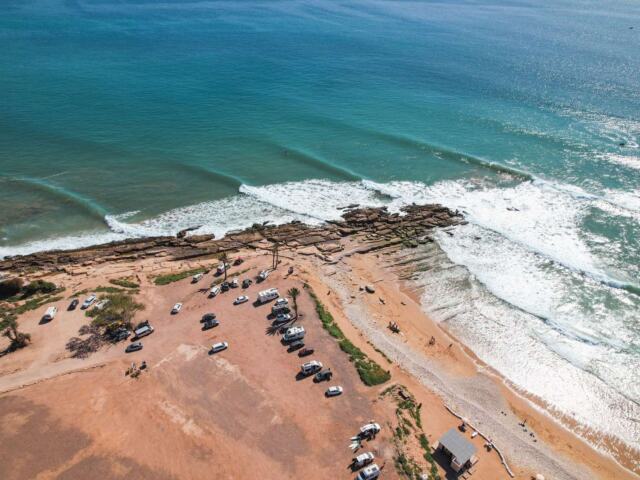
Anchor Point is a long right-hand point break over sand and rocks for strong intermediates and experienced surfers, September to March. Kosa Surf calls it long and fast, best for experienced surfers. Surf-Forecast says it works best with a northwest swell and offshore winds from the northeast, and best around low tide. Hash Point, listed by Surf-Forecast as a sheltered point break, is a winter option.
Surf camps and accommodation
A surf camp bundles accommodation, lessons, equipment and often the airport transfer, so it is the simplest option for a first trip with limited planning time. Tamraght offers cheaper accommodation at €20-35 a night, according to Travel Surf. Camp packages vary, so compare what each includes before comparing totals.
Troubleshooting your plan
- The forecast does not match Anchor Point’s needs. If the swell or wind is not what Surf-Forecast describes, move to a more forgiving spot such as Imsouane instead of forcing a session.
- The water feels cold. Switch from a 3/2 mm to a 4/3 mm, particularly if your base is further north.
- You are a beginner arriving at the start of the season. Consider October onward, which Kosa Surf calls the sweet spot.
- The transfer runs long. Traffic changes the 45-minute to 1-hour drive, so keep the first evening free.
Frequently asked questions
Is Anchor Point suitable for beginners?
No. Travel Surf and Kosa Surf both direct it to strong intermediates and experienced surfers.
Does a surf camp include the airport transfer?
Often, yes. Travel Surf says camps bundle accommodation, lessons, equipment and often the transfer, so confirm it when booking.
How cold is the sea in February?
Water is 16-18°C, the annual minimum, with air about 18-21°C.
Which wetsuit should I pack?
A 3/2 mm is the guide’s choice around Agadir, and 4/3 mm is advised further north in winter.