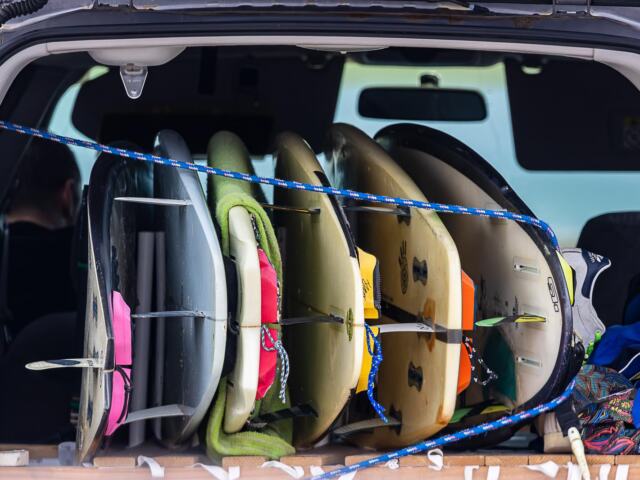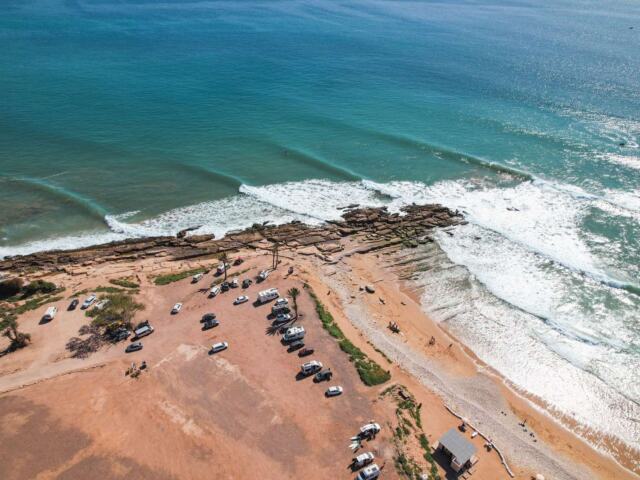
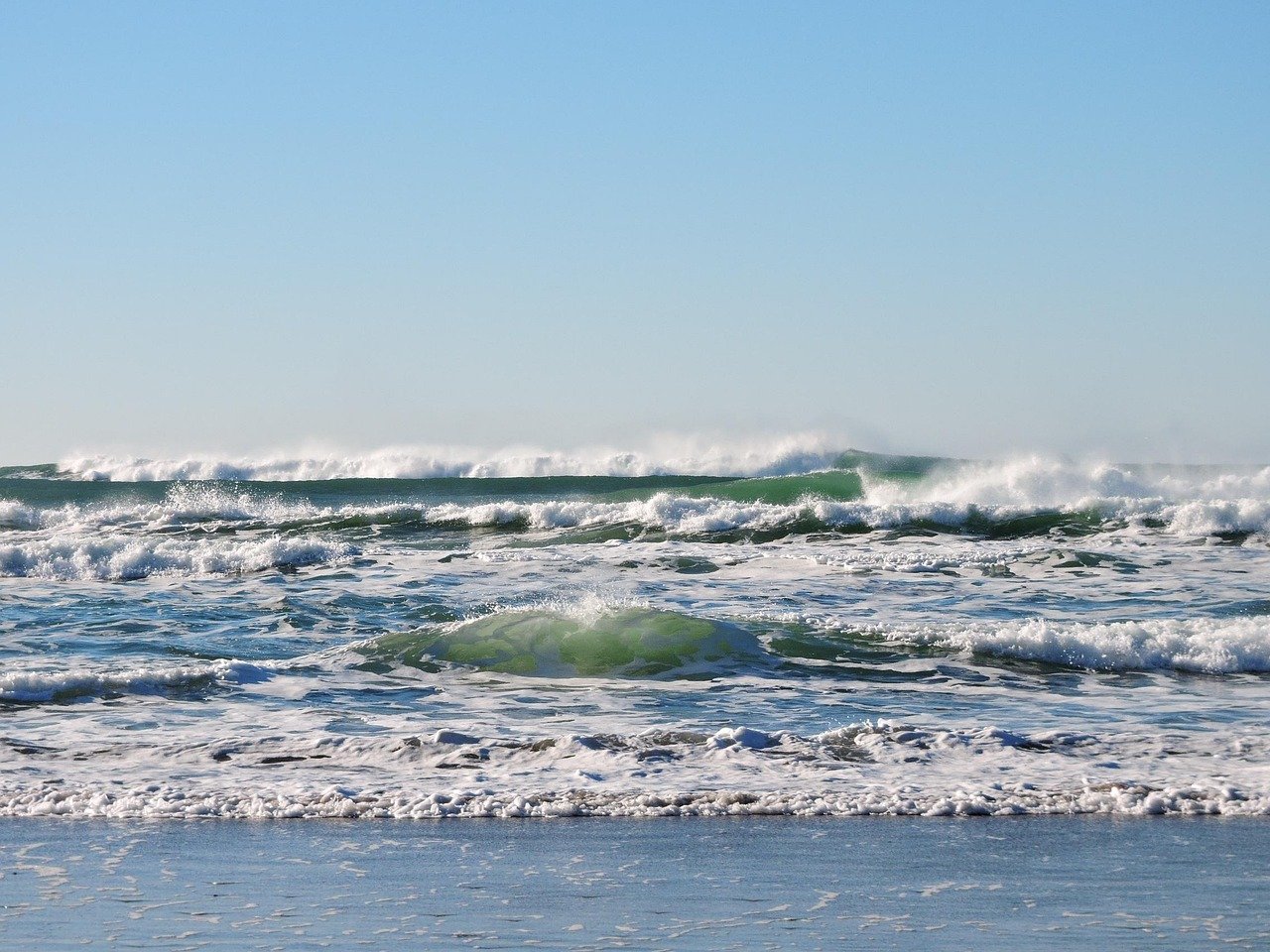
| Your situation | Spot to start with | Planning use |
|---|---|---|
| First time on a board | Pacific Beach, San Diego | Beginners with foam boards work in shallow whitewash here. Book a lesson and stay in the gentle zone before looking at anything bigger. |
| Want a signature point break | Trestles, San Clemente | Long, clean waves in morning light. Best for surfers who already stand up reliably and can read a lineup. |
| Want a right-hand point wave | Rincon Point, Santa Barbara | A wave that peels along a cobblestone shoreline. Pick it for a long ride, and plan the entry and exit carefully. |
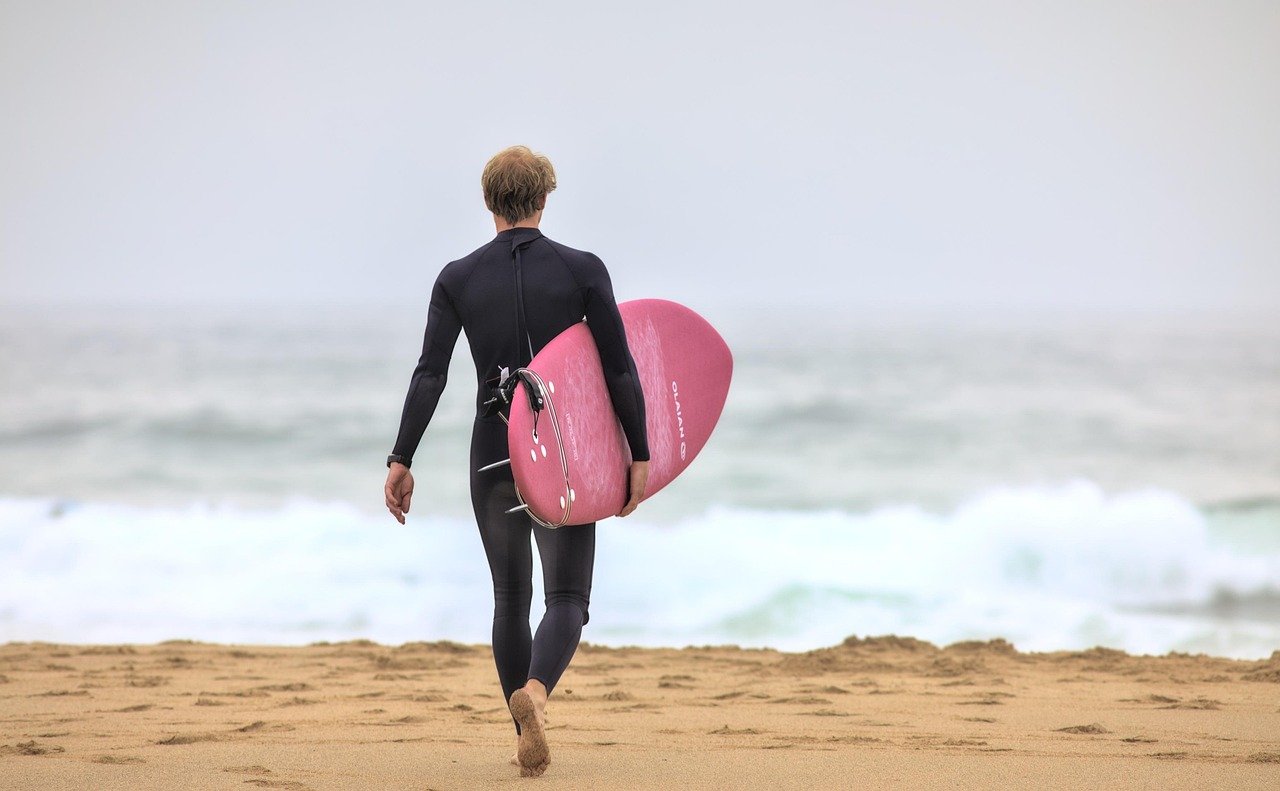
| Ready for cold water | Steamer Lane, Santa Cruz | A cold-water lineup where surfers wear wetsuits. Pack full-length neoprene and check the Monterey Bay buoys before paddling out. |
| Curious about a famous, busy beach | Huntington Beach pier | Surfers gather on both sides of the pier. Go for the atmosphere and expect to share every peak. |
Swell checks for every row can start with the Coastal Data Information Program wave monitoring network and the NOAA oceanographic buoys for Monterey Bay.
To surf in California well, match the region to your level: southern beaches suit first sessions, point breaks reward experience, and the central coast demands proper cold-water gear.
Surfers based in Italy can set this coast against where to surf in Italy to judge how much more planning an open-Pacific trip needs. Californian lineups are generally more structured by skill, gear and forecast than a casual Mediterranean session. The sections below group spots by the situation a visiting surfer is most likely to be in.
If this is your first surf lesson
A first trip to the Pacific goes better when the first sessions happen on a forgiving beach. Southern California is the sensible place to begin, and San Diego is the clearest example of a coast built around learners.
Pacific Beach, San Diego
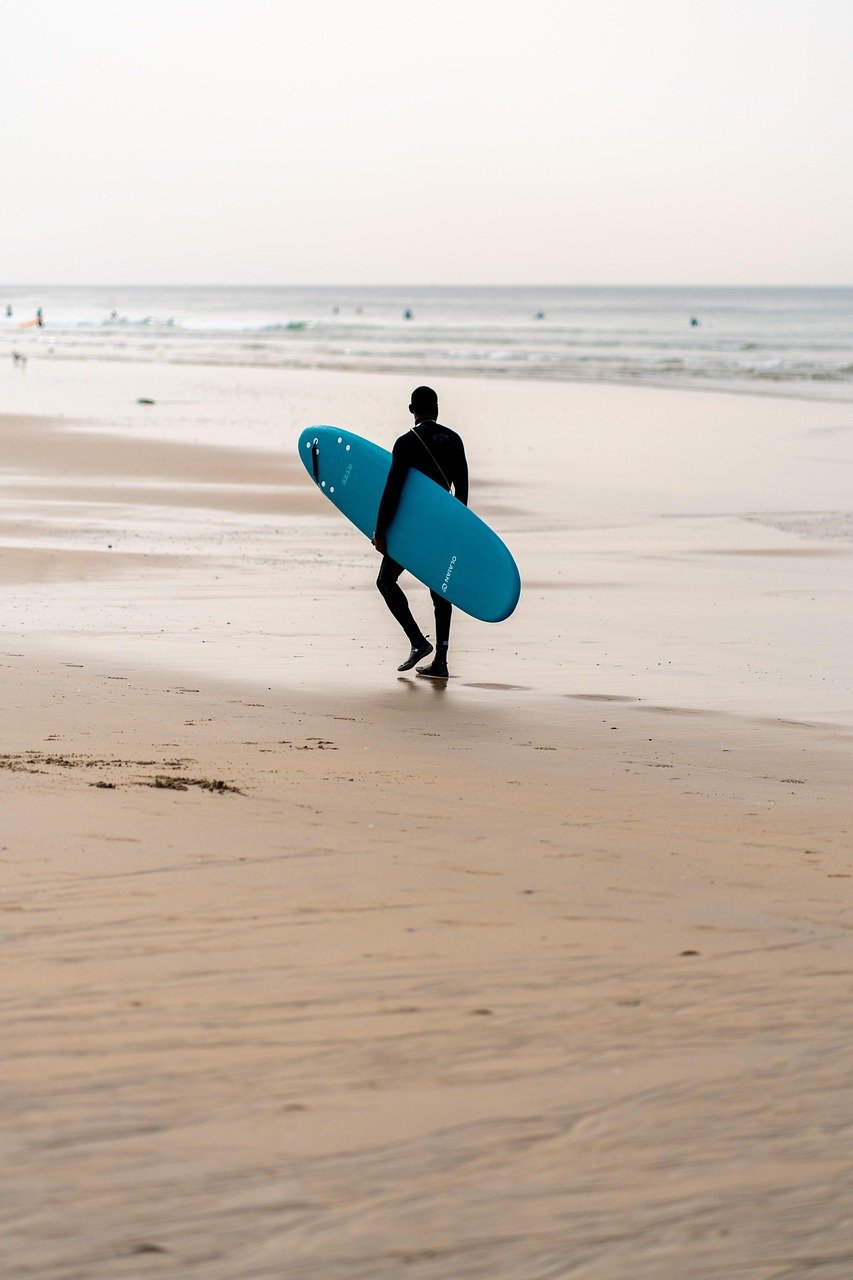
Pacific Beach is the starting point for anyone searching for San Diego surf for beginners. The typical scene is a group of learners on foam boards in shallow whitewash, where falling off costs little and the instructor can stand nearby. That setup suits adults who have never stood up, and it suits Mediterranean surfers who have only caught small, short-lived waves and want to build wave-catching habits on a longer beach.
The limit is progression. Whitewash practice teaches balance and the pop-up, but it does not teach you to read a peak or choose a line. Once standing up is routine, move to a lesson that includes unbroken waves, or choose a different region from the sections below.
Choosing a lesson over a solo rental
For a first visit, a lesson is the better choice than renting a board and heading out alone. A coach picks the entry point, explains who has priority on a wave and watches the water so beginners do not drift into stronger sections. Travellers with a few sessions behind them can rent a board, but they should keep to the same gentle beaches and avoid a point break until they have the basics.
If you want a classic point break
Point breaks are the images most people have in mind when they plan a surf trip in California. They reward surfers who can paddle efficiently, pick a wave early and ride along the line rather than straight to shore. They are not the place to learn those skills.
Trestles, San Clemente
Trestles is the signature Southern California point-break experience: clean, long waves with morning light on the water. It suits intermediate surfers who already link turns and understand lineup etiquette. Beginners are better served at Pacific Beach and can come back to Trestles as a goal.
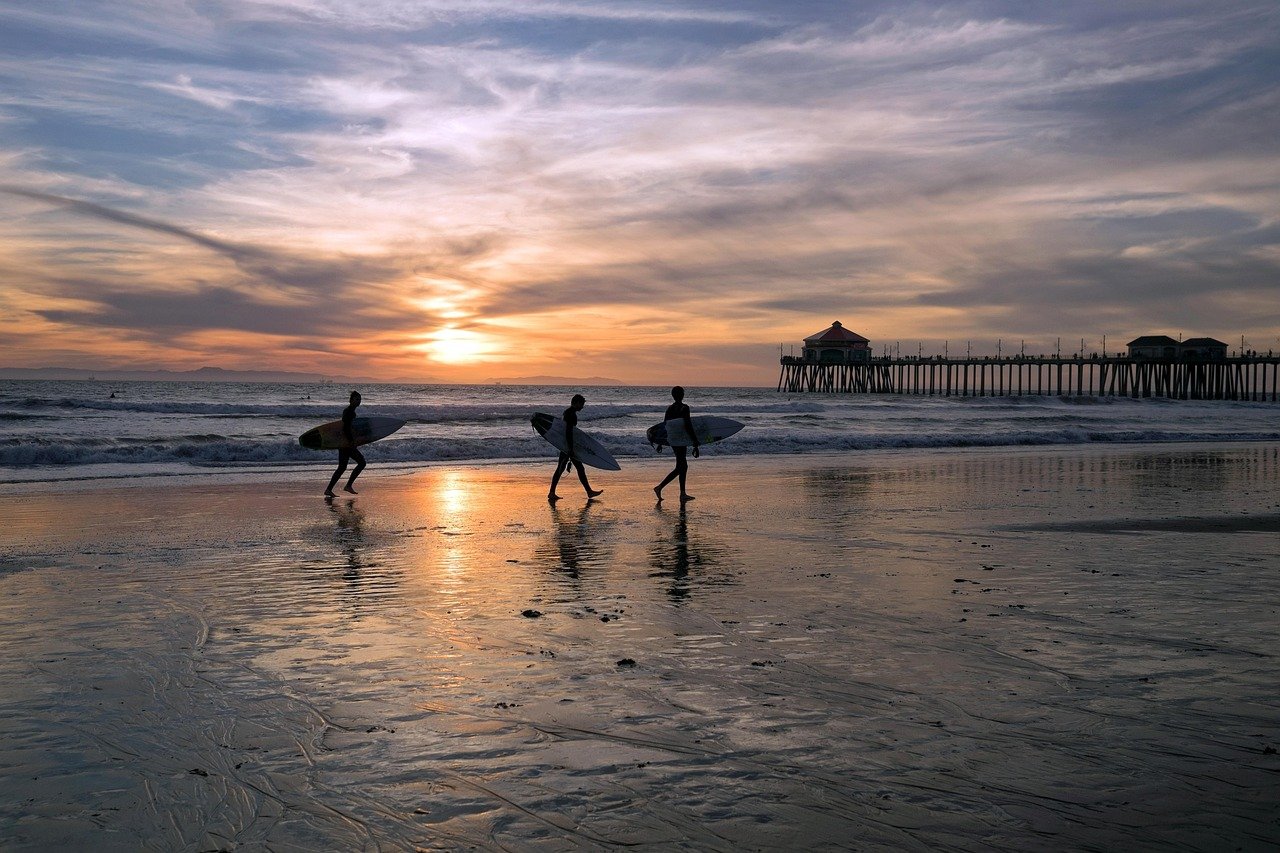
Plan around the swell rather than a calendar date. The wave monitoring network run by the Coastal Data Information Program is a practical way to see whether a swell is actually reaching the coast before you drive to the spot.
Rincon Point, Santa Barbara
Rincon Point, near Santa Barbara, is a classic right-hand point break, with the wave peeling along a cobblestone shoreline. The attraction is ride length, and it suits surfers who prefer one long, steady wall to several short sections. Visitors from Italy, used to shorter rides, should treat it as a step up in wave quality and in competition for each wave.
The cobblestones also affect the day. Entering and leaving the water over rounded stones takes more care than walking onto sand, so reef or boot-style footwear is a sensible consideration, and a calm approach in and out helps protect both feet and board.
If you are ready for cold water
The biggest equipment gap between the Mediterranean and the central and northern California coast is the water. Surfers in the Santa Cruz lineup wear wetsuits, and visitors should plan for a full wetsuit rather than a shorty or a rash vest. Check the current water temperature on the buoy data before packing, because the numbers decide how thick the suit, boots and any hood need to be.
Steamer Lane, Santa Cruz
Steamer Lane is the cold-water Northern California example in this guide. Surfers wait in the lineup in wetsuits, and local regulars know the sets and the order of the peak. It suits experienced surfers who are comfortable in cold water and in a lineup where regulars set the pace. First-timers should watch from the cliff, learn how the sets arrive and surf elsewhere.
Reading Monterey Bay conditions
Santa Cruz sits on Monterey Bay, which has its own set of tools. The University of California Santa Cruz scientific diving programme lists the NOAA oceanographic buoys for Monterey Bay and a Scripps experimental swell model for Central California. Together they give a visiting surfer the live ocean reading and a forecast to compare against it. Use the buoys for what is happening now and the swell model for what is expected, and do not rely on one alone.
If crowds are your main worry
Crowds are part of the California experience, and the busiest beaches follow a pattern. Famous beach breaks are the most crowded, point breaks are crowded in a more disciplined way, and quieter sandy beaches offer the most room. European surfers used to sparse lineups should decide in advance how much crowding they will tolerate.
Huntington Beach pier
Huntington Beach is the best-known busy beach break in Southern California, with surfers on both sides of the pier. It suits visitors who want the scene as much as the waves, and it is manageable for competent surfers who accept sharing every peak. Beginners can still enjoy it, but they should stay inside the area staffed by lifeguards and well away from the pier pilings.
Spreading out along the Southern coast
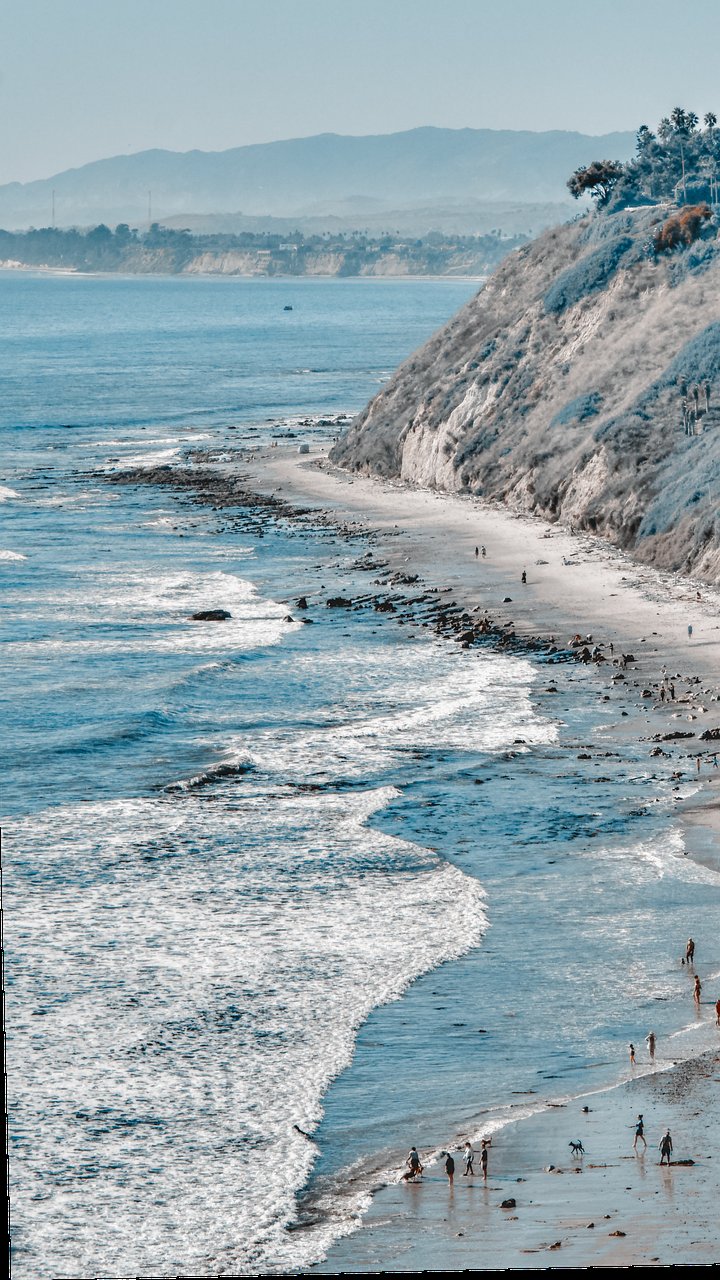
Not every Southern California stretch is as packed as the pier. Open sandy beaches backed by bluffs give crowds room to spread along the shore. If a lineup looks tight, walk further along the beach rather than adding to the peak, and take the same approach with unfamiliar sections in general.
Timing a surf trip in California
Season is where visitors most often plan from assumptions, and it is the weakest basis for a trip. California’s coast faces the open Pacific, and the swell reaching a beach depends on where a storm formed, the direction it travelled and how the coastline shields each stretch. Southern and Northern California do not receive the same swell on the same day, so the better approach is to check live data for the specific region.
A practical routine has three steps:
- Check the wave network first. The Coastal Data Information Program runs an extensive wave monitoring network along the coastlines of the United States, which helps compare conditions between regions.
- Use buoys for the central coast. The NOAA buoys for Monterey Bay give a direct reading for Santa Cruz and the surrounding bay.
- Compare with a swell model. The Scripps experimental swell model for Central California shows what the buoys may be about to report.
Build slack into the itinerary. A surf trip that fixes the beginner days in San Diego and leaves the point-break days flexible handles a swell that arrives early or late far better than a rigid plan.
Packing and planning around the data
Pack for the coldest region on the route, because the wetsuit decision depends on the northernmost stop. Surfers visiting several regions can add a Southern stop first to settle into the time zone and the waves, then move up the coast once the readings and their own fitness suggest they are ready.
Longer routes can be compared with other destinations once the California plan is clear. Travellers weighing long-haul options may also read about how to surf in australia or the best surf spots brazil offers.
Frequently asked questions
| Question | Answer |
|---|---|
| Where should beginners start when they surf in California? | Pacific Beach in San Diego, where learners use foam boards in shallow whitewash. Take a lesson before moving to a point break. |
| Is Trestles suitable for a first lesson? | No. Trestles is a signature point break that suits surfers who already stand up and understand lineup etiquette. Begin at a gentler beach and treat Trestles as a later goal. |
| Do visitors need a wetsuit at Steamer Lane? | Yes, surfers in the Santa Cruz lineup wear wetsuits. Check the buoy readings for Monterey Bay before choosing thickness, boots and any hood. |
| How can a visitor check swell before a session? | Use the Coastal Data Information Program wave network for coast-wide readings, the NOAA buoys for Monterey Bay on the central coast and the Scripps swell model for Central California as a forecast. |
| Which famous beach is the most crowded? | Huntington Beach, where surfers gather on both sides of the pier. Expect to share each peak and choose a quieter stretch if space matters more than the scene. |