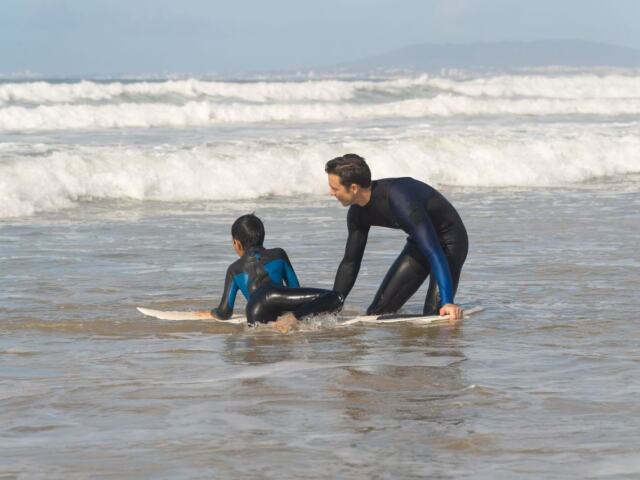
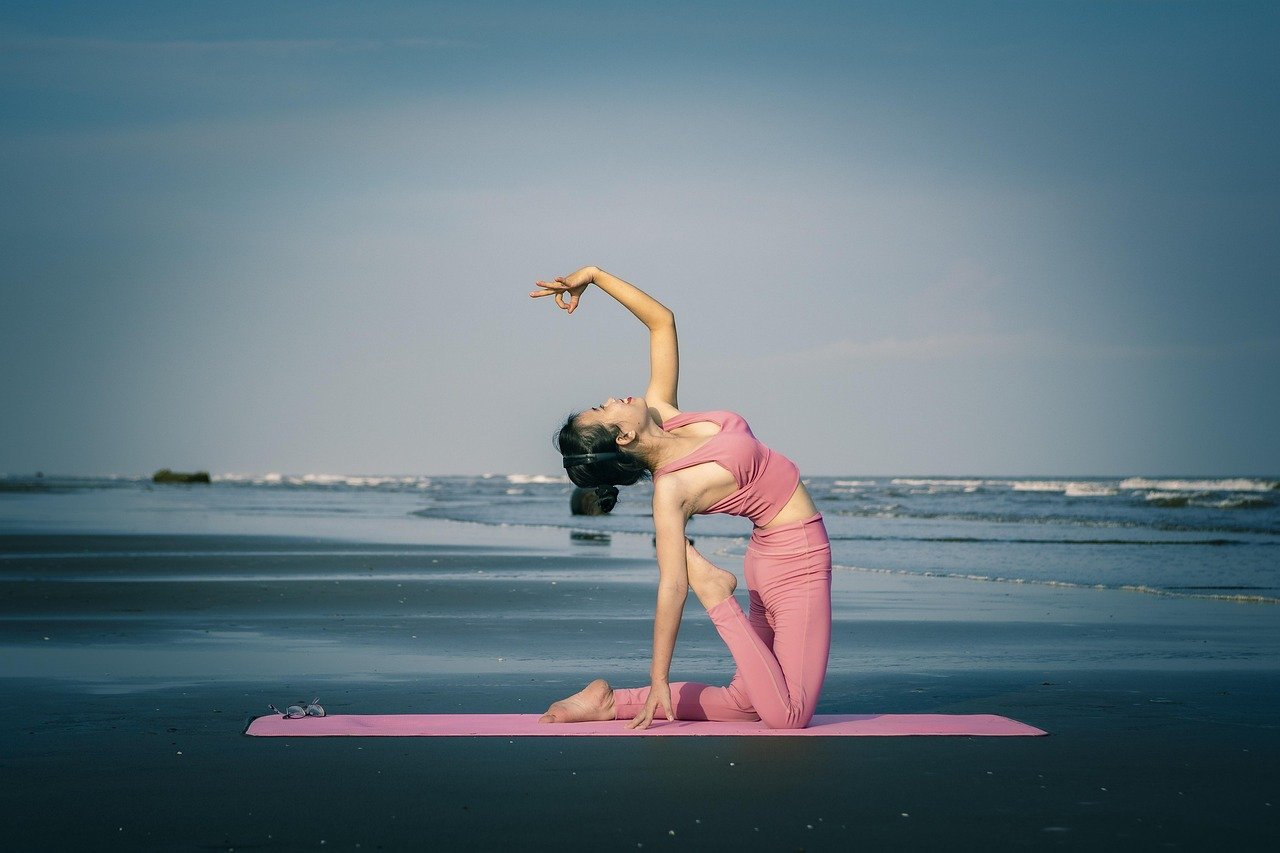
A surfer who finishes a long paddle with tired arms and a sore lower back needs exercises for surfing that target those weak points, not a generic workout.
Quick answer: Train the demands of a session in order. Balance the shoulders with rows, external rotation and scapular work. Stabilise the trunk with planks and bird-dogs. Rehearse the pop-up on land with the hips doing the work. Keep the hips and spine mobile, and use swimming for paddling endurance.
Anyone still working through surf for beginners material can treat this page as the land-based companion to time in the water. Each section below covers one surfing demand, who it suits and where it falls short.
Surfing demands compared at a glance
Paddling, the pop-up, flexibility and endurance each load the body differently, so the drills differ too. The table matches each demand to its main exercise choices and the problem it is meant to reduce.
| Surfing demand | Useful exercises | Problem it addresses | Planning use |
|---|---|---|---|
| Paddling | Rows, external rotation, scapular retraction, resistance band work | Repetitive rotator cuff stress; strained neck | Start here if the shoulders tire or ache first |
| Trunk and lower back | Planks, bird-dogs, Pilates-style work | Spine arching while paddling | Pair with shoulder work for long paddling sessions |
| Pop-up | Controlled land pop-ups, squats, lunges, single-leg drills, wobble board | Hyperextension; stress on knees and ankles | Practise slowly before adding speed |
| Mobility | Low lunge and similar yoga poses, Pilates | Limited flexibility and core control | Use as a lighter day between strength sessions |
| Endurance | Freestyle swimming | Fatigue from long, repeated arm motion | Fits surfers with pool access and no swell |
The injury and exercise pairings come from Realign Physio and Back to Health Physio.
Shoulder exercises for paddling
Shoulder work comes first because paddling repeats the same shoulder and neck motion for long periods, according to Back to Health Physio. Realign Physio adds that this puts repetitive stress on the rotator cuff, which can lead to tendinopathy or impingement. Keeping the head lifted for long periods can also strain the neck muscles and joints.
Shoulder injuries are common among surfers and other athletes who repeat the same arm motions, including swimmers and kayakers, as Hawaiian South Shore notes. The aim is therefore balance, not just a bigger paddling engine.
Rows and external rotation
Back to Health Physio suggests cross-training with rows and external rotation work to balance the front and back of the shoulder. This suits surfers who paddle often and feel the front of the shoulder tighten. It does not replace assessment if pain is already present.
Scapular retraction and the resistance band
Scapular retraction squeezes the shoulder blades together with the shoulders externally rotated. Hawaiian South Shore describes a hold of one minute, progressing to two minutes, and suggests it once per hour during desk work. As strength grows, a resistance band can be used for modified retraction motions. Band pull-aparts are an easy way to apply that idea outdoors or at home.
Arm bar and soft-tissue work
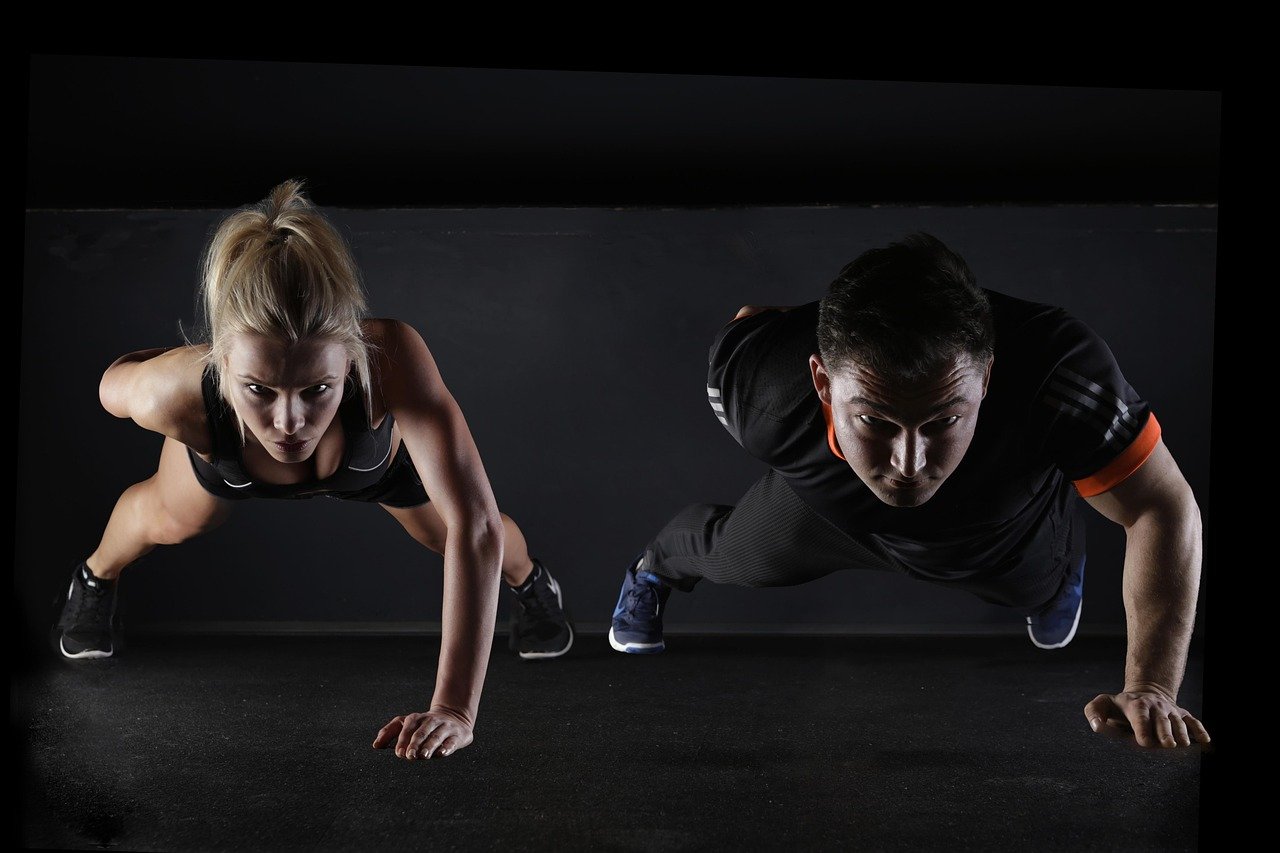
The arm bar needs a kettlebell, probably between 10 and 20 pounds depending on body type and strength, according to Hawaiian South Shore. Choose the lighter end if control is the limit, not the heavier one. The same source suggests rolling the upper pectoral with a massage ball for a couple of minutes, once or twice per day, focusing on quality release. This suits surfers with tight chests from desk work; it complements strengthening rather than replacing it.
Core and lower back
Core work protects the lower back during the position that paddling forces. Realign Physio states that arching the spine while paddling can irritate the lower back or cause muscle strains, and Back to Health Physio recommends planks and bird-dogs for stability.
- Planks: They hold the trunk still under load, which matches the need to keep the spine from arching on the board. They suit almost everyone, but form matters more than hold time.
- Bird-dogs: They train the trunk to stay stable while the limbs move. They are a gentler choice for surfers who find planks hard on the shoulders.
- Pilates or targeted physiotherapy: Realign Physio lists these for improving core stability and flexibility. They suit surfers who want guided progression or already have back symptoms.
Core work also supports the next demand, because the pop-up asks the trunk to stay controlled while the legs move quickly.
Pop-up and leg strength
The pop-up is a short, explosive move. Back to Health Physio describes pop-ups and duck dives as powerful, sudden moves that demand quick strength and control, and warns that pop-ups can force hyperextension. Realign Physio adds that rapid pop-ups, twists and landings in unstable positions can stress the knees and ankles.
Controlled pop-ups on land
Back to Health Physio advises practising a controlled pop-up on land, emphasising hip power over back arching. Go slowly enough to see whether the lower back is doing the work. This suits beginners, and anyone returning from a back problem should be especially cautious about speed.
Burpee-style drills
A burpee moves the body from the floor to standing, so it resembles the floor-to-feet sequence of the pop-up. Treat it as a conditioning drill, not a technique lesson. If the lower back sags or arches during the push-up phase, shorten the session or return to slow land pop-ups first.
Squats, lunges and single-leg balance
Back to Health Physio suggests building leg strength with squats and lunges. Realign Physio names single-leg exercises and wobble board drills as options for balance and leg strength off the board. These suit surfers whose knees or ankles complain after landings. Once the stance feels solid, the work carries over into how to turn on a surfboard, where leg control decides how cleanly a turn is set.
Mobility and yoga for surfers
Yoga for surfers is best used for flexibility and trunk control, not as a replacement for strength work. Realign Physio names Pilates and targeted physiotherapy programmes for improving core stability and flexibility, and yoga-style poses such as a low lunge fit the same purpose of opening the hips and trunk.
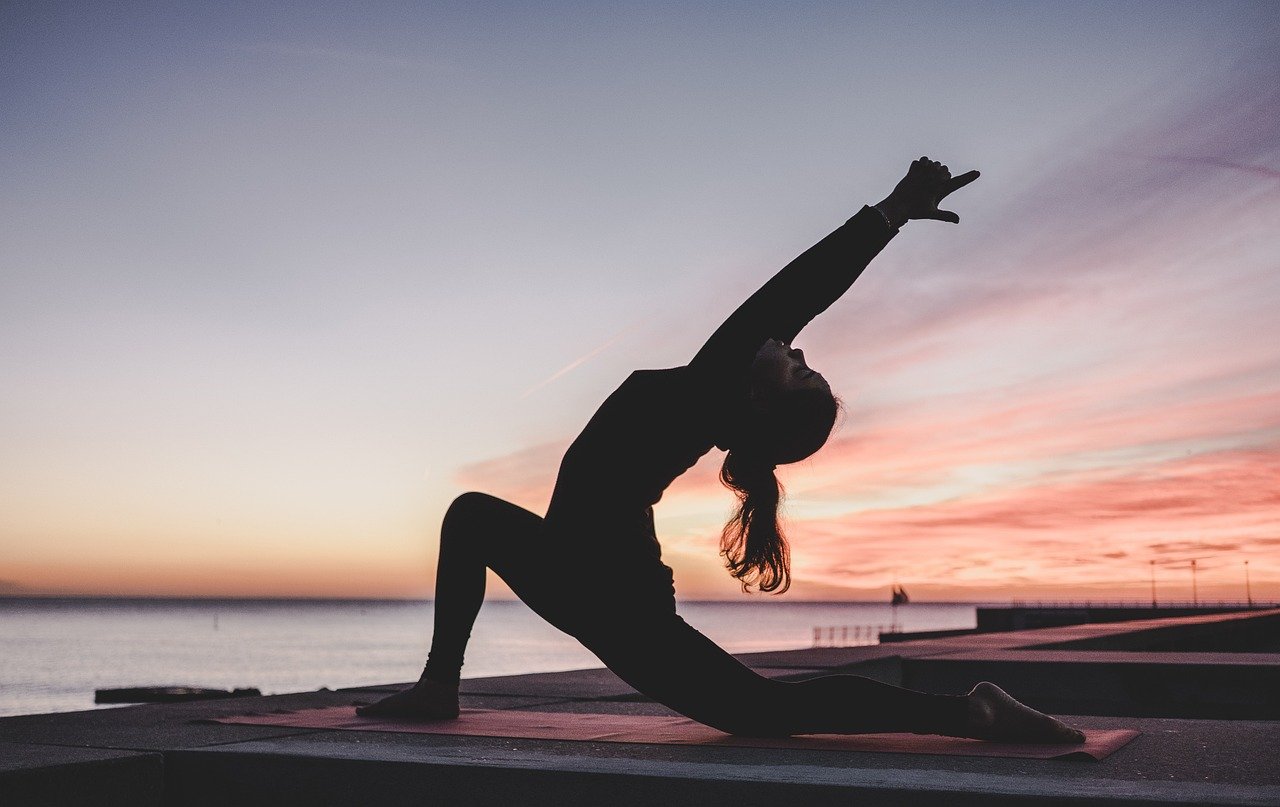
A mobility session suits the day after a hard surf or strength session, when the body needs movement without much load. It also helps surfers who feel stiff getting from lying to standing. It is not a cure for a painful shoulder, so persistent pain deserves a physiotherapist’s assessment.
Swimming and stamina for paddling
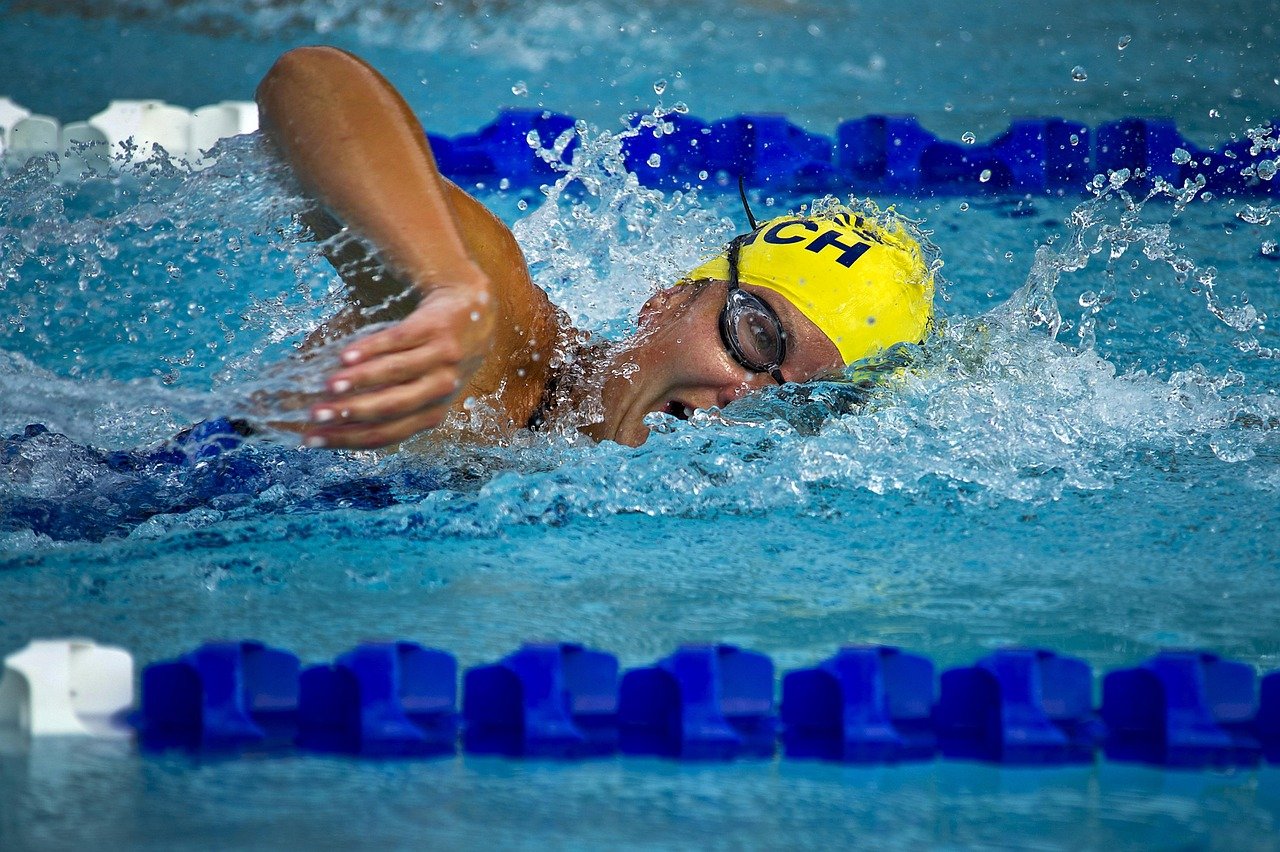
To improve surfing stamina, add swimming. Swimmers and surfers both repeat arm motions for long periods, which is why Hawaiian South Shore groups them among the athletes prone to shoulder injuries. A pool gives a steady way to build arm endurance on days with no swell.
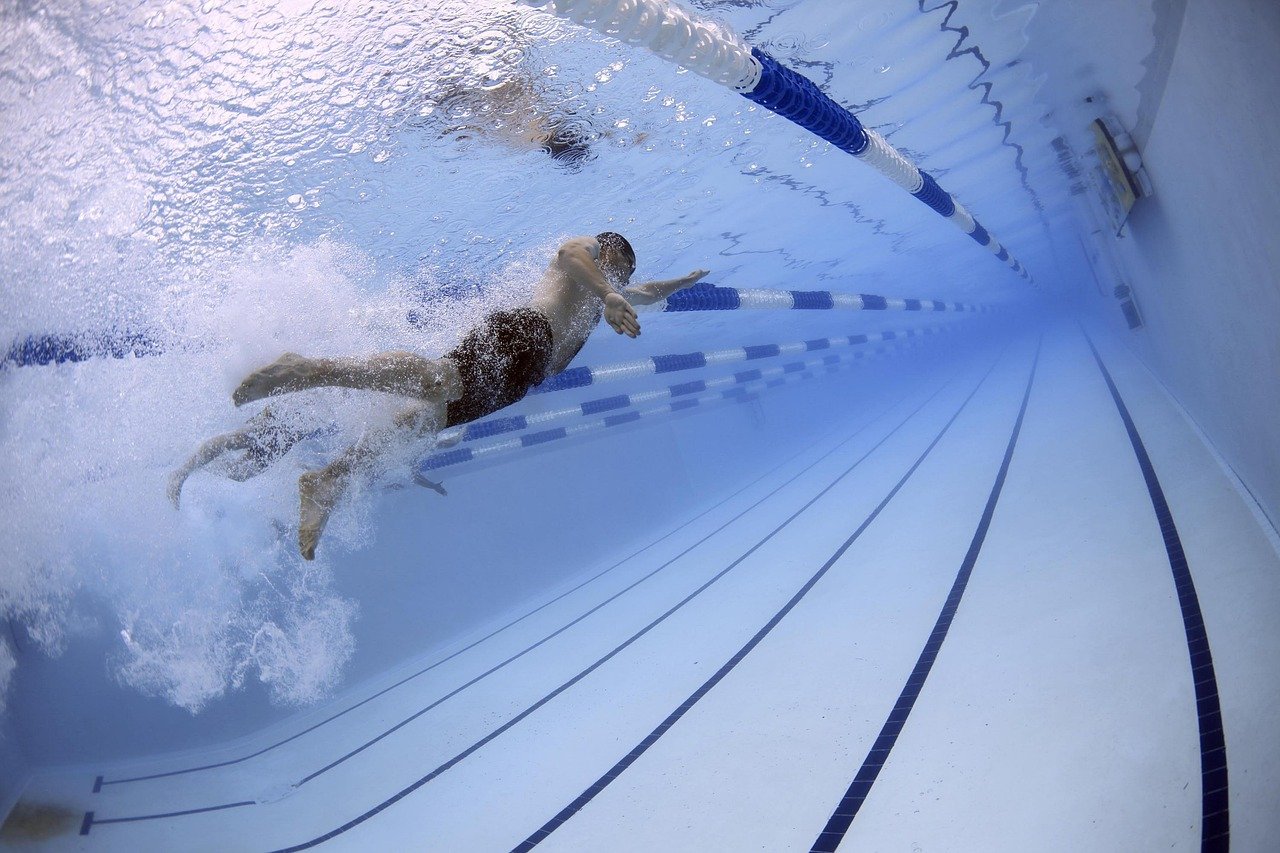
The limit is that long, repeated arm motion is also what loads the shoulder. Pair swimming with the rows, external rotation and retraction work above, so endurance does not outrun shoulder balance. Surfers who feel neck strain should note Realign Physio’s point that holding the head lifted for long periods strains the neck. It is also useful to read swell and wind data, using guides such as how to read surf forecast pages, so energy is spent on sessions with workable conditions.
Decision checklist
Use this order to decide what to train first.
- Start with the symptom. If the shoulders or neck complain first, begin with rows, external rotation and scapular retraction.
- Check the lower back. If it aches after paddling, add planks and bird-dogs before adding more paddling volume.
- Slow the pop-up down. Practise it on land and judge whether the hips or the back are doing the work.
- Add mobility. Use low lunge, Pilates or similar work on lighter days.
- Build endurance last. Add swimming once the shoulders handle repeated arm motion comfortably.
- Seek assessment for pain that persists. A physiotherapist can tailor the programme to the injury.
Frequently asked questions
How often should I train for surfing?
Short, frequent shoulder work fits around a normal day. Hawaiian South Shore suggests scapular retraction once per hour while working at a desk and a couple of minutes of massage ball work once or twice per day. For heavier strength drills, a physiotherapist can set a frequency that suits an individual shoulder and back history.
Should I warm up before paddling out?
Yes, Back to Health Physio recommends warming the shoulders before heading out, because paddling repeats the same shoulder and neck motion for long periods.
Does surfing itself count as exercise?
A University of Bristol study of 1,344 surfers, reported by Duke Surf, found a direct relationship between surfing and good physical health and positive mental well-being. Land training still matters for the specific shoulder, back and knee stresses described above.