If you’re wondering how to start surfing, keep it simple. Pick a gentle sandy beach, rent or buy a soft-top board, practise your pop-up on land, and learn the lineup rules before you paddle out.
This page is one piece of the wider guide to surfing on this site.
| Item | Value |
|---|---|
| Beginner soft-top board length | Around eight feet |
| Longboard alternative | 10 feet |
| Leash for a beginner longboard | 10-foot leash |
| Ideal beginner wave size | 2-4 ft |
| Wind for a manageable session | Below 20mph |
| Wetsuit for colder months | 4/3mm thickness |
These figures come from beginner guides by Rapture Camps and Airkayaks. They are rules of thumb and can change, so check the sources before you rely on them.
Pick a beginner-friendly spot
Your first big decision is the place, not the board. A beach break with a sandy bottom is the kind of wave that is forgiving and beginner-friendly, while reef and point breaks are usually not recommended when you are starting out.
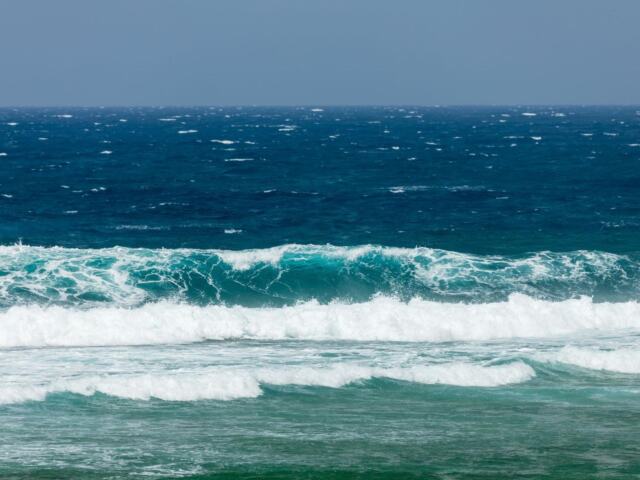
The Airkayaks guide suggests small, gentle waves of 2-4 ft and sandy bottoms, which are much safer than reef or rocks when you wipe out. Rapture Camps adds that ideal beginner spots have waist-high waves and light winds, typically below 20mph.
Use this checklist when you scout a beach:
- A sandy bottom rather than rocks or reef.
- No piers, jetties or strong currents nearby.
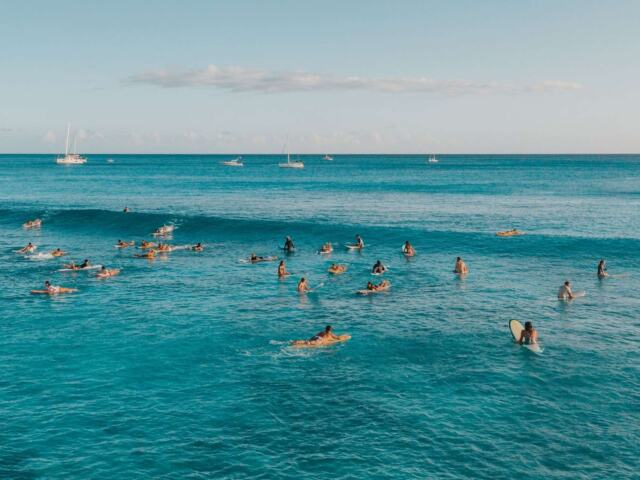
- An uncrowded lineup, so you have room to learn.
- Lifeguards on duty, in case something goes wrong.
- Advice from local surfers or a surf shop about the best beginner zone.
Timing helps too. Early mornings may offer calmer conditions with less wind and fewer crowds, and watching other surfers for a few minutes shows you how the waves behave.
Wind direction matters because offshore winds create smooth waves, while onshore winds make the surf choppy and harder to ride. Before you drive to the beach, learn how to read a surf forecast so that swell, tide and wind don’t surprise you.
What gear do you need?
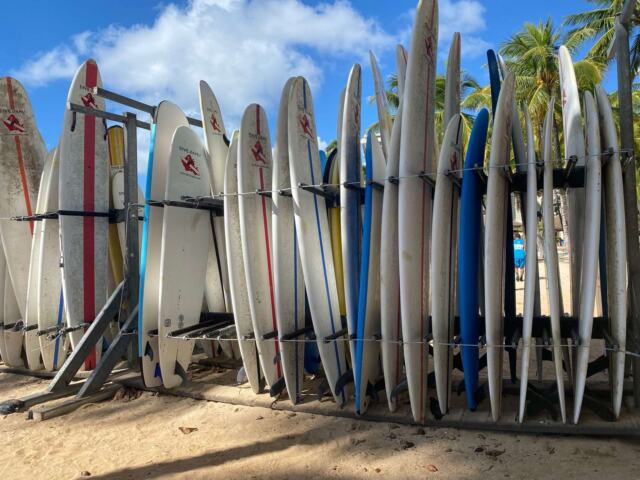
You don’t need much, but the board matters. A soft-top is buoyant, extremely forgiving and safe, which is why it suits true beginners. Rapture Camps recommends one around eight feet long, or a 10-foot longboard if you feel up for it.
Here is a short kit list:
- Leash: keeps the board attached after wipeouts, which protects you and the people around you.
- Surf wax: adds traction so you don’t slip during pop-ups and paddling.
- Rash guard or wetsuit: protects you from rashes, sun and cold water.
- Sunscreen: waterproof and reef-safe for longer sessions.
- Earplugs: useful against surfer’s ear, especially in cold water.
For a longboard, the same Rapture Camps guide recommends a 10-foot leash. If you will surf in colder water, a wetsuit thickness of 4/3mm is suggested for year-round warmth in places like New Zealand.
Beginner rental packages often include everything, so you can start without buying gear straight away. When you are ready to move on from your first board, read about the types of surfboards to see what comes next.
Learn the pop-up on land
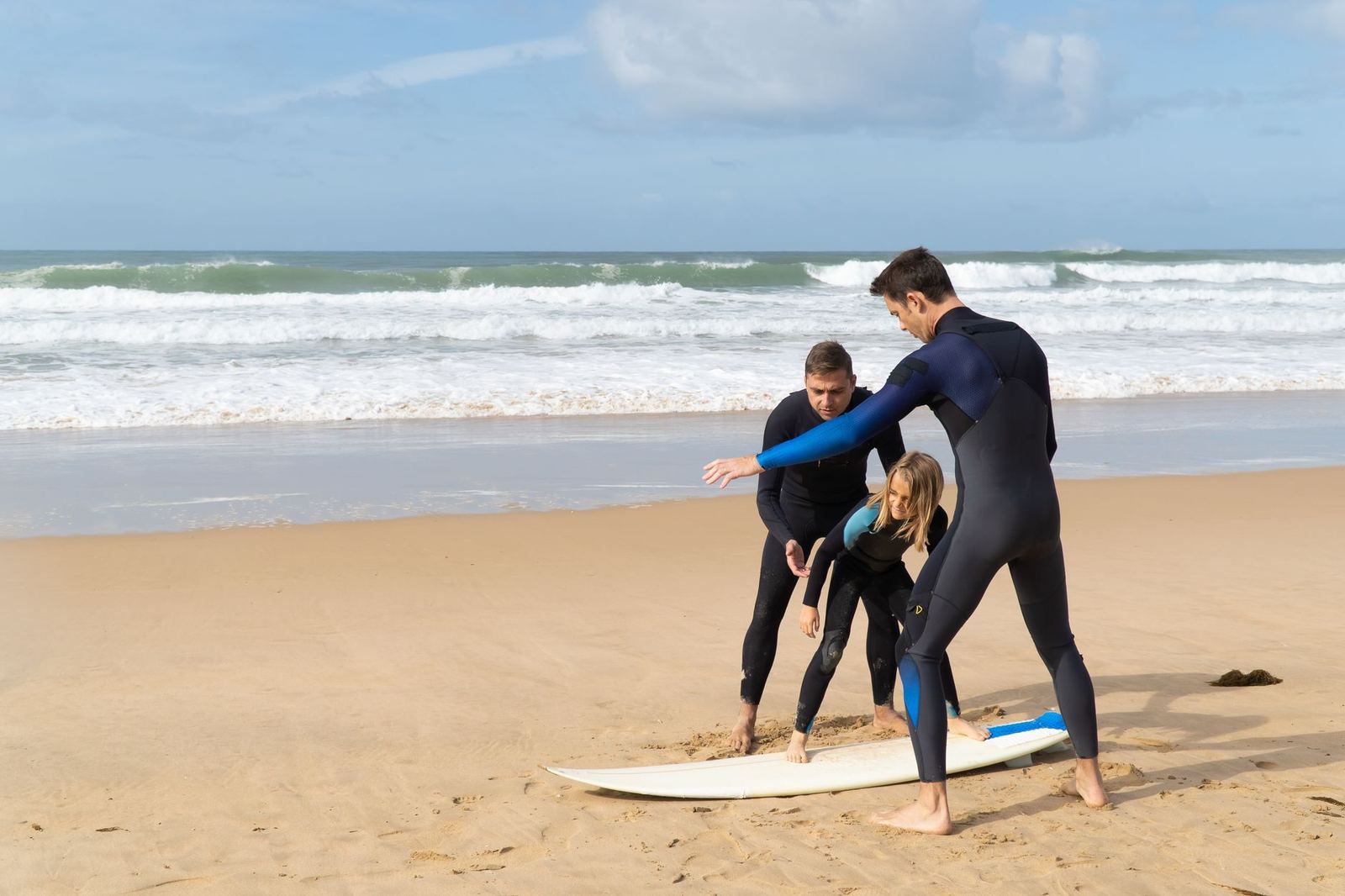
The pop-up is the move from lying on your board to standing. It looks effortless on pros, but it takes practice, and drilling it on dry sand builds the muscle memory you will need in the water.
Follow these steps:
- Lie flat with your hands under your shoulders.
- Push your upper body up in one smooth movement.
- Bring your back foot forward as your hips rise.
- Land in a low, centred stance with both knees bent.
- Keep your eyes forward and your weight balanced over the board.
Once you are standing, keep your feet shoulder-width apart and look where you are going rather than down at your feet. Staying relaxed and centred works better than leaning back.
Paddle, catch whitewater and fall safely
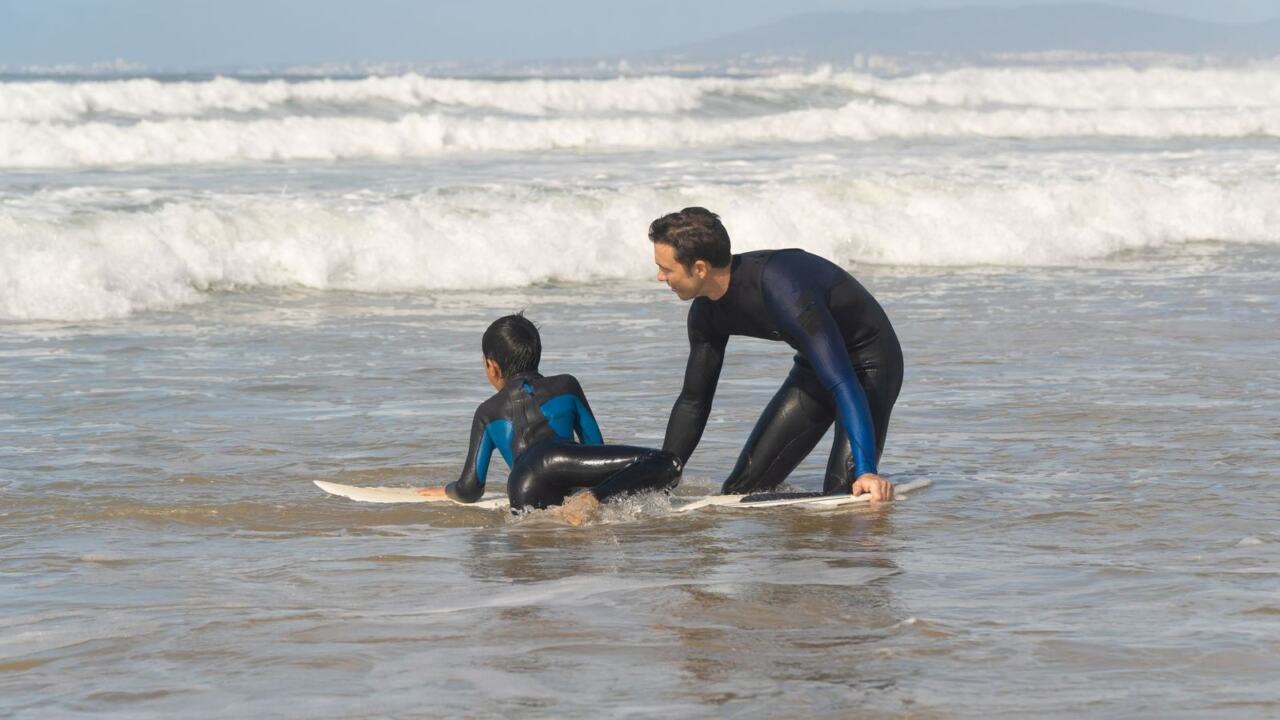
Start with whitewater, the foamy part of a wave that has already broken. It is perfect for practising timing, balance and pop-ups before you progress to unbroken waves.
A basic whitewater run looks like this:
- Begin in waist-to-chest-deep water, facing the beach.
- Turn your board toward shore as the whitewater approaches.
- Start paddling early to match the wave’s speed.
- Add a few final strong strokes as the wave lifts you.
- Pop up as soon as you feel the wave carrying your board.
For paddling, lie centred on the board with your chest slightly raised and your legs together. Use smooth, deep strokes and pull the water from front to back.
Falling is part of learning, so learn to do it well. When you come off, the most important thing is to protect your head with your arms, and in shallow water over rock or reef it is safest to fall flat on your stomach.
Know how to handle a rip current, too. Rips often show up as dark water or a gap between breaking waves, and they are often quite narrow, usually around 25 meters. Don’t fight the current; paddle parallel to the shore to calmer water.
Surf etiquette and staying safe
Sharing the water is part of the sport, and a few unwritten rules apply to everyone from beginners to pros:
- Don’t drop in on another surfer who is already riding the wave.
- Don’t “snake” the lineup by paddling around other surfers to get priority.
- Stay out of the way of surfers riding waves when you paddle out.
- Always hold onto your board, because a loose board can be dangerous to others.
- Respect the locals and the environment, and don’t litter.
Safety guidance for learners also says not to surf alone. Go with friends or take a lesson with a surf school, and if you are unsure about the conditions, don’t go out.
Finally, surfing is a full-body workout that needs strength, endurance and flexibility. Core work, squats, lunges and yoga are all useful, but patience and regular time in the water will do most of the work.
Frequently asked questions
What board should a beginner use?
Show answer
A soft-top is the usual choice because it is buoyant, stable and forgiving. Rapture Camps recommends one around eight feet long, with a 10-foot longboard as another good option.
Do you need a wetsuit to start surfing?
Show answer
It depends on the water temperature. In colder water a wetsuit keeps you warm so you can stay in longer, and a 4/3mm thickness is suggested for colder months in places like New Zealand.
Why start in whitewater?
Show answer
Whitewater lets you practise timing, balance and pop-ups in a manageable setting. It builds the skills you need before you move on to unbroken waves.
What should you do if you get caught in a rip current?
Show answer
Stay calm and don’t paddle straight against it, because it can drain your energy. Paddle parallel to the shore to calmer water, and the breaking waves will help bring you back to the beach.