Wondering if kitesurfing for beginners is realistic for you? It is: most people ride independently after 10-15 hours of lessons over a few days, if they learn with a qualified instructor.
Kitesurfing sits within the wider world of water sports, so it helps to see what it asks of you before you book anything with a school.
| Item | Value |
|---|---|
| Lessons before riding independently (most people) | 10-15 hours, spread over a few days |
| “Learning the basics” stage | 10 sessions |
| Professional lessons within that stage | 3-5 lessons |
| “Staying upwind” stage | 20-30 sessions |
| Inflatable kite design patented for kitesurfing | 1984 |
| Sport officially recognised by the International Sailing Federation | 2008 |
These figures come from Cotswold Outdoor’s beginner’s guide and the Kitesurfing Handbook. They can change and are only indicative, so check the sources before you rely on them.
What kitesurfing actually involves
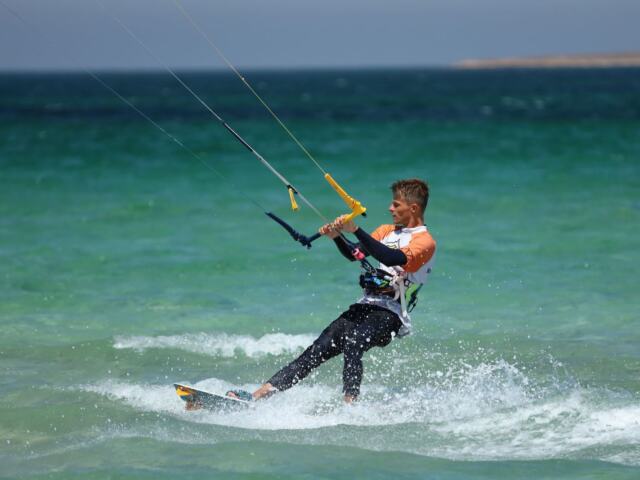
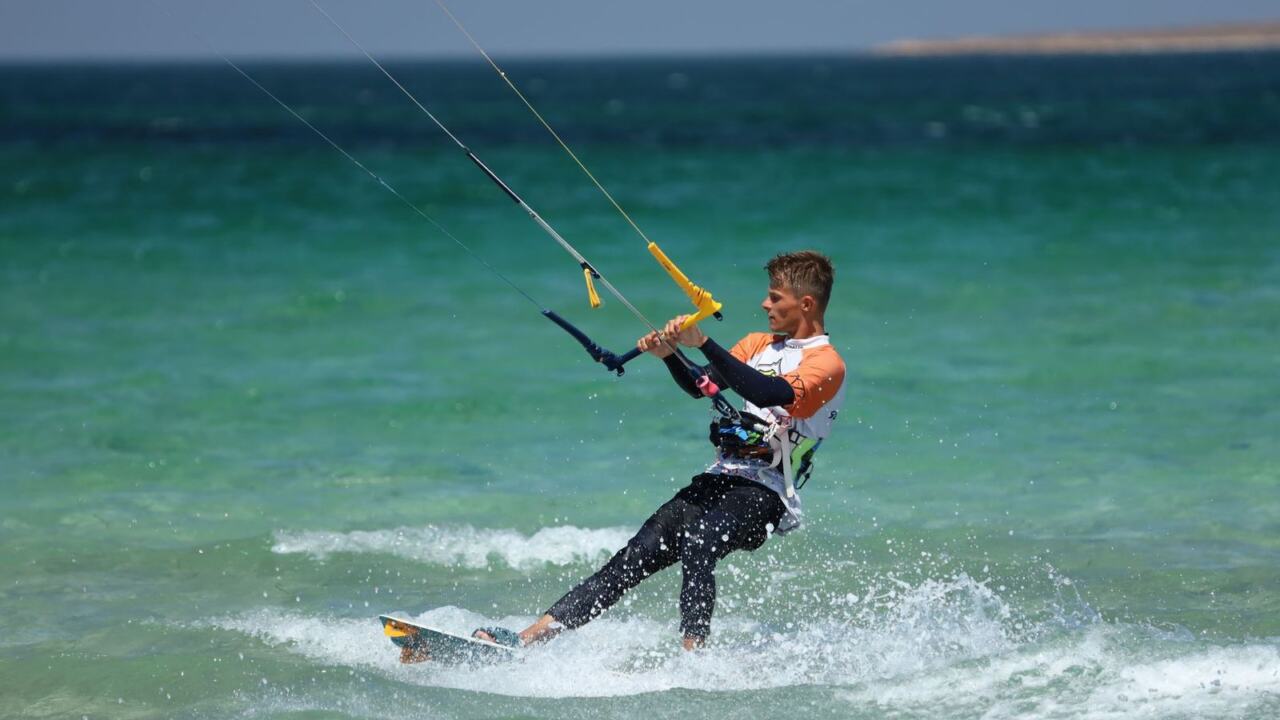
Kitesurfing, also known as kiteboarding, is a water sport that combines elements of surfing, paragliding and wakeboarding. You use a large, controllable kite to harness the wind and pull yourself across the water on a board.
French brothers Bruno and Dominique Legaignoux are widely credited with developing the first inflatable kites for the sport. According to Cotswold Outdoor’s guide, they patented an inflatable kite design in 1984, and the International Sailing Federation officially recognised the sport in 2008.
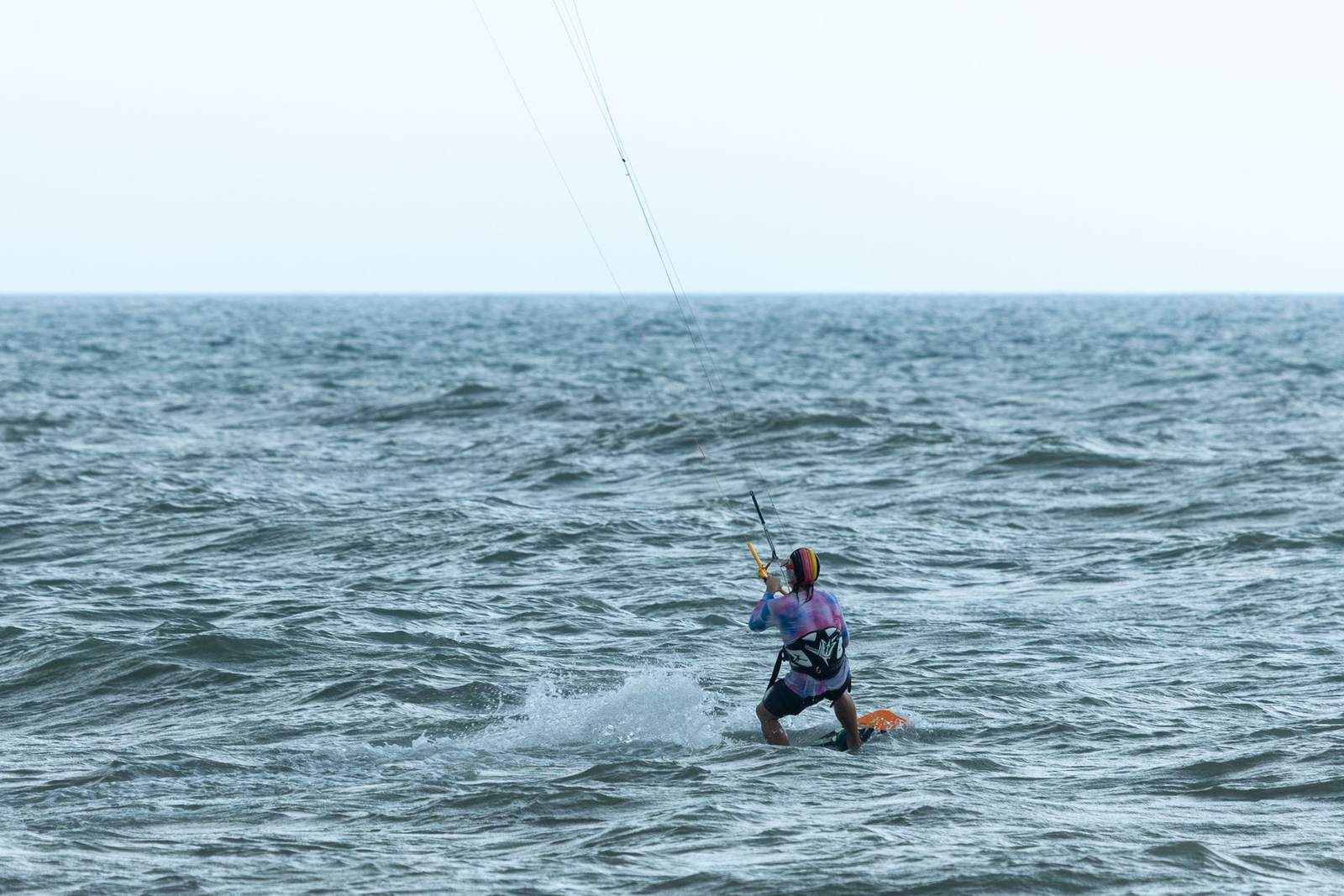
The same guide says kitesurfing can be done on flat-water lagoons, in waves, and even in strong winds with minimal swell. As a beginner, you do not need to choose a style yet: the first job is learning to control the kite.
How long does it take to learn?
Cotswold Outdoor’s guide says that with good instruction and the right equipment, the majority of people can be up and riding independently after 10-15 hours of lessons spread over a few days. Treat that as a typical range rather than a promise. Your own pace will shift it, so leave some flexibility in your plans rather than aiming for a fixed number of days.
The Kitesurfing Handbook counts in sessions instead of hours. It puts the “Learning the basics” stage at 10 sessions, including 3-5 lessons with a professional instructor.
The same handbook warns that staying upwind is the most significant step. It might take another 5 sessions before you get there, and it calls its own progressions “indicative only”, so take things at your own pace.
What a beginner course covers
Most schools use a gradual approach, according to Cotswold Outdoor’s guide. You start with kite control on land, move on to body dragging in the water, and only then progress to riding the board.
The Kitesurfing Handbook lists what professional lessons should include:
- Wind and kite theory, including angle of attack, the wind window and kite positions.
- Flying a trainer kite on the beach.
- Using the control bar to fly the kite and control its power.
- Setting up, rigging and launching your kite.
- A safety release drill, including “throw the bar”.
- Self rescue technique, which means winding the lines in, getting to the kite, securing it and floating in.
- Re-launching the kite from the water.
- Body dragging, then putting the board on your feet in the water.
- Your first water start, also called a board start, which is started by diving the kite into the power zone.
- Upwind body dragging and changing direction.
Expect your first rides to carry you downwind. The handbook jokes that you then do the “walk of shame” back up the beach, which is a normal part of learning.
Why a qualified instructor matters
Cotswold Outdoor’s guide calls lessons from a qualified instructor at an accredited school or centre the best and safest way to learn. It strongly discourages teaching yourself or relying on a friend to show you the basics.
The handbook is just as direct about where not to practise. It says not to learn to fly a full-size kitesurfing kite on a beach or any other land, because that is the most dangerous place to fly your kite.
The guide describes kitesurfing as an extreme sport that carries some risks, but says proper training and progression make it very accessible and safe to learn. That is the case for a structured course rather than trial and error.
Practising with a trainer kite
The handbook recommends buying a trainer kite that you can use on the beach or in a park. It says this teaches basic kite-handling skills and accelerates your learning curve when you take instruction.
A trainer kite is not a licence to skip lessons. Think of it as a way to get the bar-and-kite feel between sessions, while the instructor covers safety drills, water work and judging conditions.
What comes after the basics
The handbook lays out a long progression, and it is worth knowing that the basics are only the start. Its stages are measured in sessions:
- Staying upwind and building skills: 20-30 sessions, covering edging the board, small jumps off waves and your first downwind tour.
- Intermediate skills: 30-50 sessions, covering toeside riding, bigger jumps and carving.
- Stronger winds and basic tricks: 50+ sessions, including kiting in 30-40 knot winds, only with an appropriately small kite size.
- Advanced skills: 80+ sessions.
Once you ride without an instructor beside you, the handbook advises refreshing your knowledge of the basics to keep yourself safe. It also recommends instruction for self launching and self landing a kite.
Is kitesurfing the right sport for you?
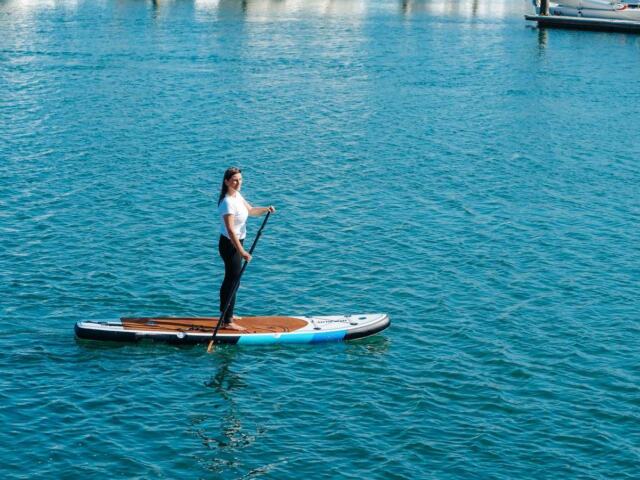
Kitesurfing rewards patience and a willingness to practise safety drills repeatedly. If you would rather start with a gentler way onto the water, read about stand up paddle boarding for beginners.
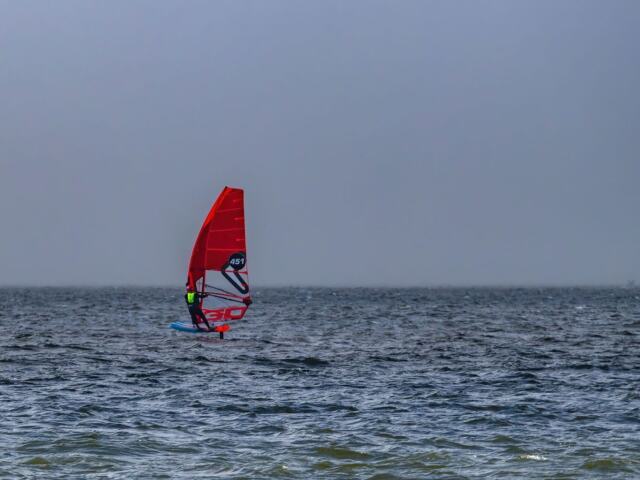
If the wind is what attracts you but you prefer a rig fixed to the board, you can compare it with windsurfing for beginners. Whichever you pick, learn the basics with a qualified instructor first.
This site is an independent educational guide. It is not connected to any school, brand or retailer mentioned above, and it does not offer lessons, bookings or advice on individual plans.
Frequently asked questions
How many lessons do I need to start kitesurfing?
Show answer
Cotswold Outdoor’s guide says most people can ride independently after 10-15 hours of lessons spread over a few days. The Kitesurfing Handbook suggests 3-5 lessons with a professional instructor within its 10-session basics stage.
Can I teach myself or learn from a friend?
Show answer
It is strongly discouraged. The guide says kitesurfing can be dangerous without proper safety knowledge and technique, and recommends a qualified instructor at an accredited school or centre.
Should I buy a trainer kite before my first lesson?
Show answer
The handbook recommends a trainer kite for learning basic kite-handling skills on a beach or in a park. It says this will accelerate your learning when you take instruction.
What is a water start?
Show answer
It is the moment you get up on the board, also known as a board start. The handbook describes it as being initiated by diving the kite into the power zone.
Is kitesurfing dangerous?
Show answer
Cotswold Outdoor’s guide considers it an extreme sport that carries some risks. It adds that proper training and progression make it very accessible and safe to learn.